
Wine Culture Magazine
Wine Culture Magazine
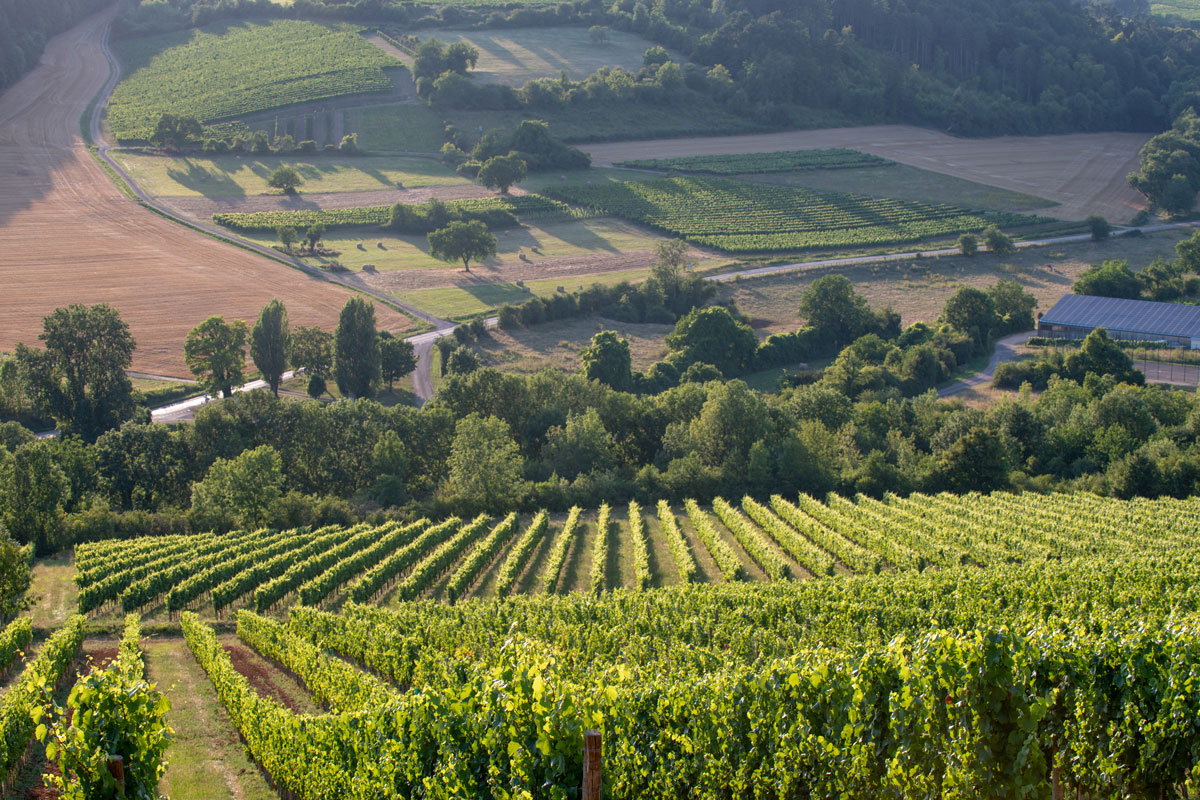
Bourgogne’s vineyards, like these in Hautes Côtes de Beaune, are as renowned for their human history as their physical terroir. BVIB/Michel Joly photo
Burgundy is, famously, the home of Chardonnay, Pinot Noir and some of the world’s most valuable vineyard land. It was a powerful medieval duchy that was annexed by France in 1477, but its history stretches back millennia, embracing the Celts, the Gauls, the Romans and the Hapsburgs, among others. Its boundaries once started just below Paris and reached the Mediterranean Sea. Its wine graced the tables of royalty, and still does so today.
Burgundy, it is fair to say, is one of the world’s most storied wine regions.
Make that Bourgogne. “Burgundy” was an appellation adopted for English-speaking markets; indeed, it was the only French wine appellation ever to adopt an alternative identity for export. In recent years, the region and its producers have reverted to its historical roots, applying the French name in appellation designations and wine region labelling alike.
Which, as one of France’s most iconic wine regions, producing some of the world’s most precious wines, is only comme il faut.
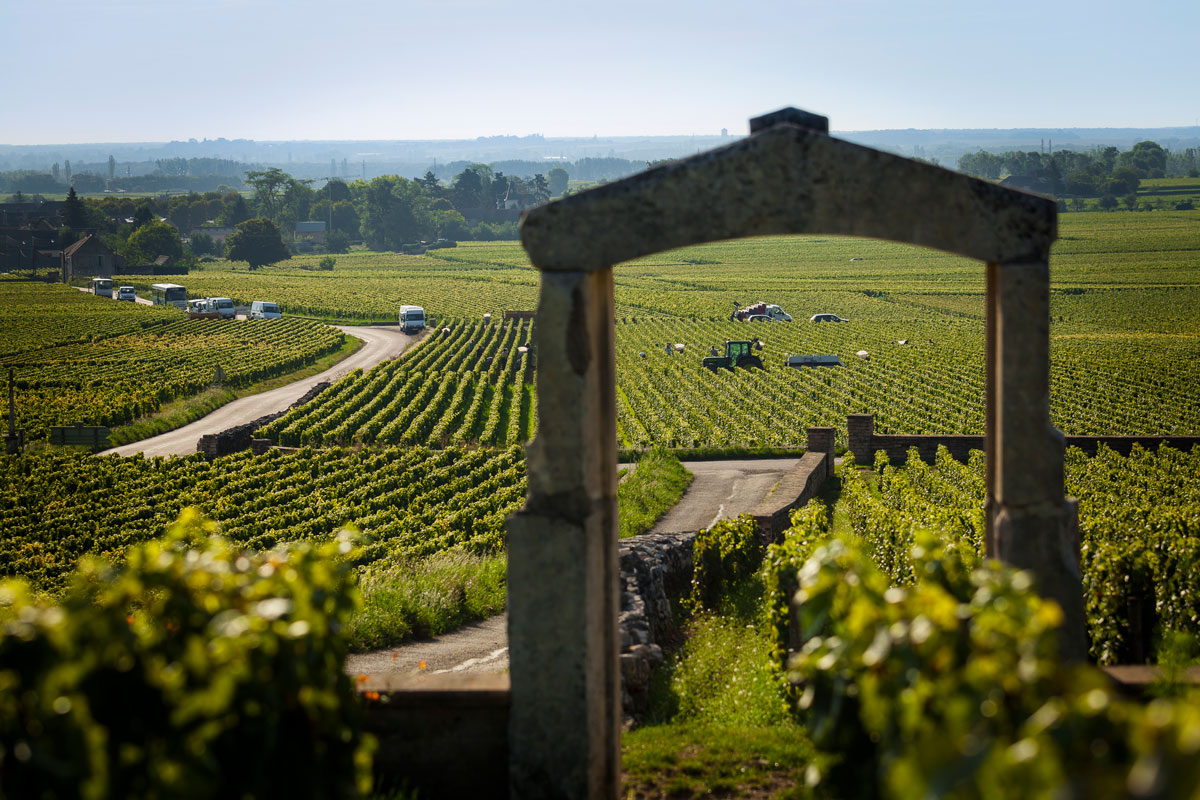
Some of the world’s greatest wines come from “Climats” like Montrachet, an appellation Grand Cru in the municipality of Puligny-Montrachet. BVIB/Aurélien Ibanez photo
Bourgogne’s complex history is only part of what makes this such a fascinating region. Today it covers nearly 48,000 square kilometres and eight departments in east-central France, with Dijon as its largest urban centre. But the Bourgogne wine region is much smaller, a narrow strip only one to two kilometres wide in parts and about 360 kilometres long from north to south.
Created over millions of years from ancient seabeds, sedimentation, tectonic upheaval, ice age deposits and other natural events, much of Bourgogne’s complex soil is Jurassic-era limestone and marl. It is poor in nutrients but drains easily, and, when mixed with gravel, sand and iron-rich clay, is ideal for growing Pinot Noir and Chardonnay vines. The composition of that soil varies from slope to slope, vineyard to vineyard. The heavier the soil is in clay, the richer and more powerful the wine; the greater the limestone, the more elegant and structured the wine.
The essence of Bourgogne and its viticulture is captured in its prestigious Climats, which, since 2015, have been included on the UNESCO World Heritage List. A Climat is a plot with specific geological and other characteristics, that grows a single variety of vines and has been recognized by its name for centuries, often since the Middle Ages.
Each Climat’s production is vinified separately; the resulting wine is named for the Climat from which it comes, its personality captured vintage after vintage, and many Climats are Premier and Grand Crus. The Climat Montrachet, for instance, is classified as an appellation Grand Cru, with a territory that covers parts of both Puligny-Montrachet and Chassagne-Montrachet in the Côte de Beaune.
A lieu-dit, on the other hand, is a generic geographical term, literally “a named place,” although, a little confusingly, you can find several lieux-dits within a single Climat, or a Climat that only covers part of a lieu-dit.
But those are only part of what makes Bourgogne unique.
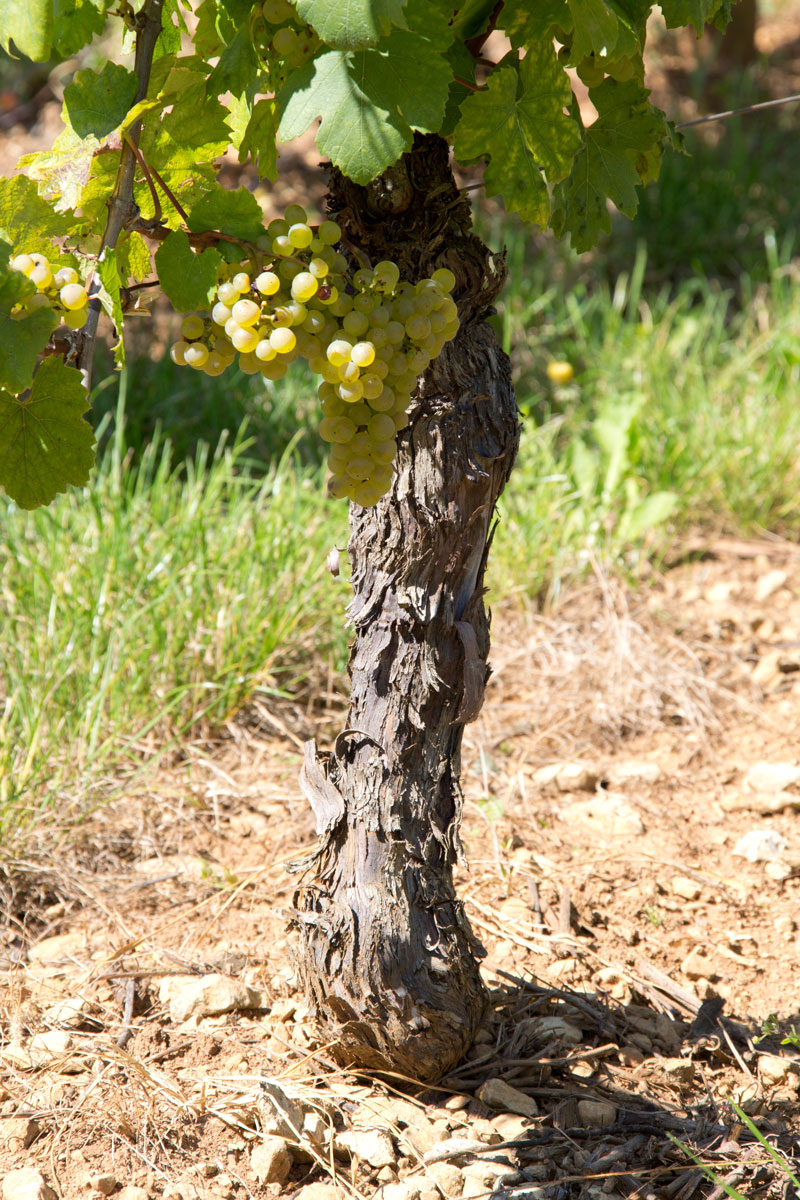
Bourgogne is the birthplace of Chardonnay. BVIB/www.armellephotographe.com photo
In addition to the Grands Crus, Bourgogne also produces Village and Régionale appellations. In total, 84 Appellations d’Origine Contrôlées (AOCs) can be found in Bourgogne—this in a relatively small region that produces just 2.6 per cent of all wines in France. Of those, the 33 Grands Crus comprise one per cent of production; the 44 Village AOCs, including those classified as Premier Cru, comprise 47 per cent; and the seven Régionales AOCs account for 52 per cent.
Unlike other regions, such as Bordeaux, which are known for their blended wines, almost all wines produced in Bourgogne are single variety, whether red, white, rosé or bubbly crémant. And while many think instantly of Pinot Noir when they think of Bourgogne, in fact most wine produced here is white, either Chardonnay (which accounts for 49 per cent of production) or Aligoté (6.5 per cent).
Bourgogne’s Chardonnays are among the world’s finest white wines, especially those from Chablis in the north, which produces high-acid, largely unoaked wines with the distinct minerality and salinity of Kimmeridgian limestone, and those from the Côte d’Or in the south, which produces richer, full-bodied, often oaked wines, especially in the Côte de Beaune. Aligoté, meanwhile, is dry, light, high in acid, delicate in flavour and enjoying a boost in popularity, especially among the wine world’s so-called “acid heads.”
As for reds, while there is some Gamay grown here, it is largely in Beaujolais, just south of the Mâconnais area, where it produces light, fresh, fruit-forward and food-friendly red wines that are enjoying a renewed respect, especially those from the 10 Cru appellations.
But it’s the Pinot Noir that Bourgogne is most renowned for, an ancient variety cultivated by the Gauls even before the Romans appeared on the scene. Light in body, but complex in flavour and aroma, these wines can age beautifully, developing earthy and barnyard notes that are highly prized by collectors and connoisseurs alike. Some of the finest Pinot Noir comes from the Côte de Nuits, in the northern part of Côte d’Or, where you can find 24 of Bourgogne’s 33 Grand Cru vineyards, including famous names like Romanée-Conti.
Both Chardonnay and Pinot Noir also go into crémant de Bourgogne, the traditional-method sparkling wine similar in many ways to Champagne, but at a fraction of the price.
Bourgogne produces some of the world’s most highly prized wines, but what makes this region special is not high prices and status labels. It is the way wine producers draw the very best from this patchwork of ancient land, and preserve its traditions for generations to come. That dedication to a preservation strategy was key to the region’s UNESCO recognition and the wine is only part of it.
Managing the heritage of Bourgogne also includes the classification of historic monuments, the preservation of Dijon’s historic centre, the creation of a zone for the protection of Saint-Romain’s landscape and urban architectural heritage and the protection of the natural reserve of the Combe Lavaux-Jean Roland.
Winemaking and culture are indelibly intertwined in Bourgogne, and managed by the Conférence Territoriale. That, combined with the UNESCO recognition, not only creates new opportunities for the whole region, but firmly links the natural aspects of terroir—soil, climate and topography—with the human practices that bring its wines to life.
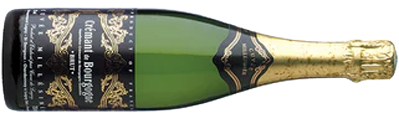
Cave de Lugny, Crémant de Bourgogne
(Bourgogne, France, $34)
Crisp, balanced, tangy citrus, nutty, toasty, with a fine mousse.
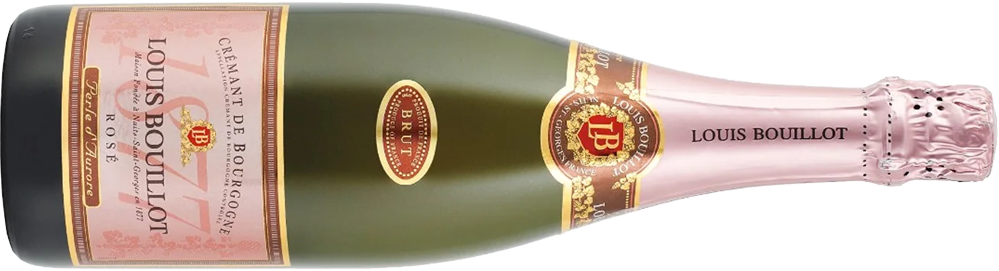
Maison Louis Bouillot, Crémant de Bourgogne Rosé
(Bourgogne, France, $32)
Fine bubbles, juicy raspberries and red currants, citrusy complexity.
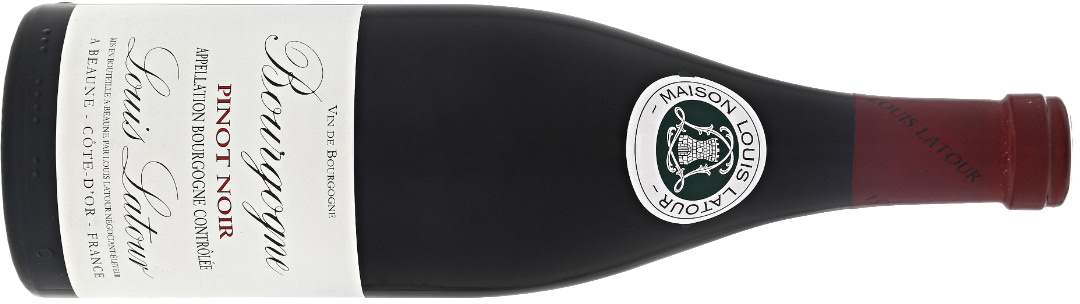
Maison Louis Latour, Pinot Noir 2023
(Bourgogne, France, $40)
Classic, clean, red berries, savoury, earthy.
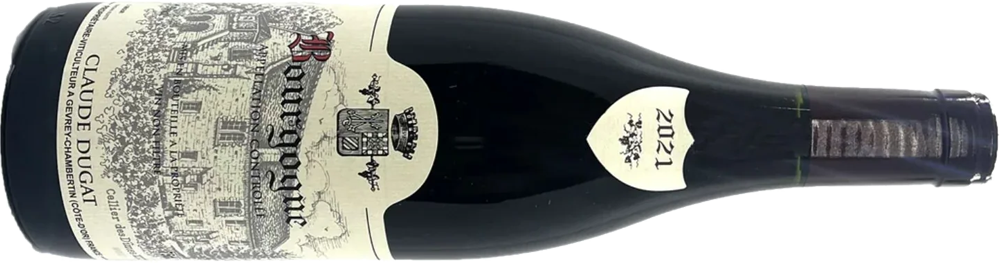
Claude Dugat Bourgogne Rouge 2021 (Pinot Noir)
(Gevrey-Chambertin, Côte de Nuits, Côte d’Or, Burgundy, France, $120)
Supple and complex; bright cherry, raspberry, violet, spice and earth.
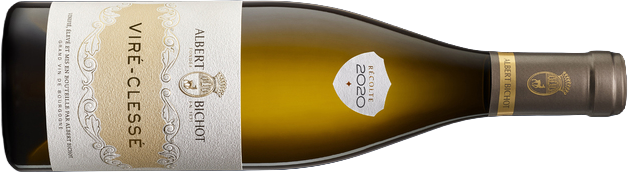
Domaines Albert Bichot 2020 (Chardonnay)
(Vire-Clesse, Bourgogne, France, $42)
Tropical and citrus fruits, delicate florals, minerality, sophistication.
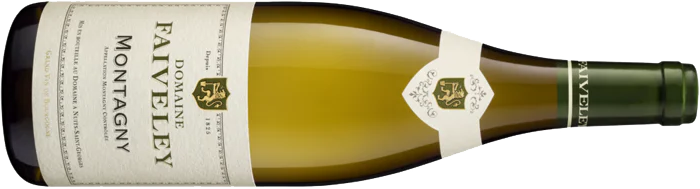
Faiveley Montagny Blanc 2020 (Chardonnay)
(Côte Chalonnaise, Bourgogne, France, $70)
Citrus, white flowers, taut, high acid, balanced.
Vitis is is an indispensable seasonal guide for vintners, sommeliers and weekend imbibers alike that is dedicated to British Columbia’s rapidly evolving wine culture.
Vitis is is an indispensable seasonal guide for vintners, sommeliers and weekend imbibers alike that is dedicated to British Columbia’s rapidly evolving wine culture.
Copyright © 2026 - All Rights Reserved Vitis Magazine