
Wine Culture Magazine
Wine Culture Magazine
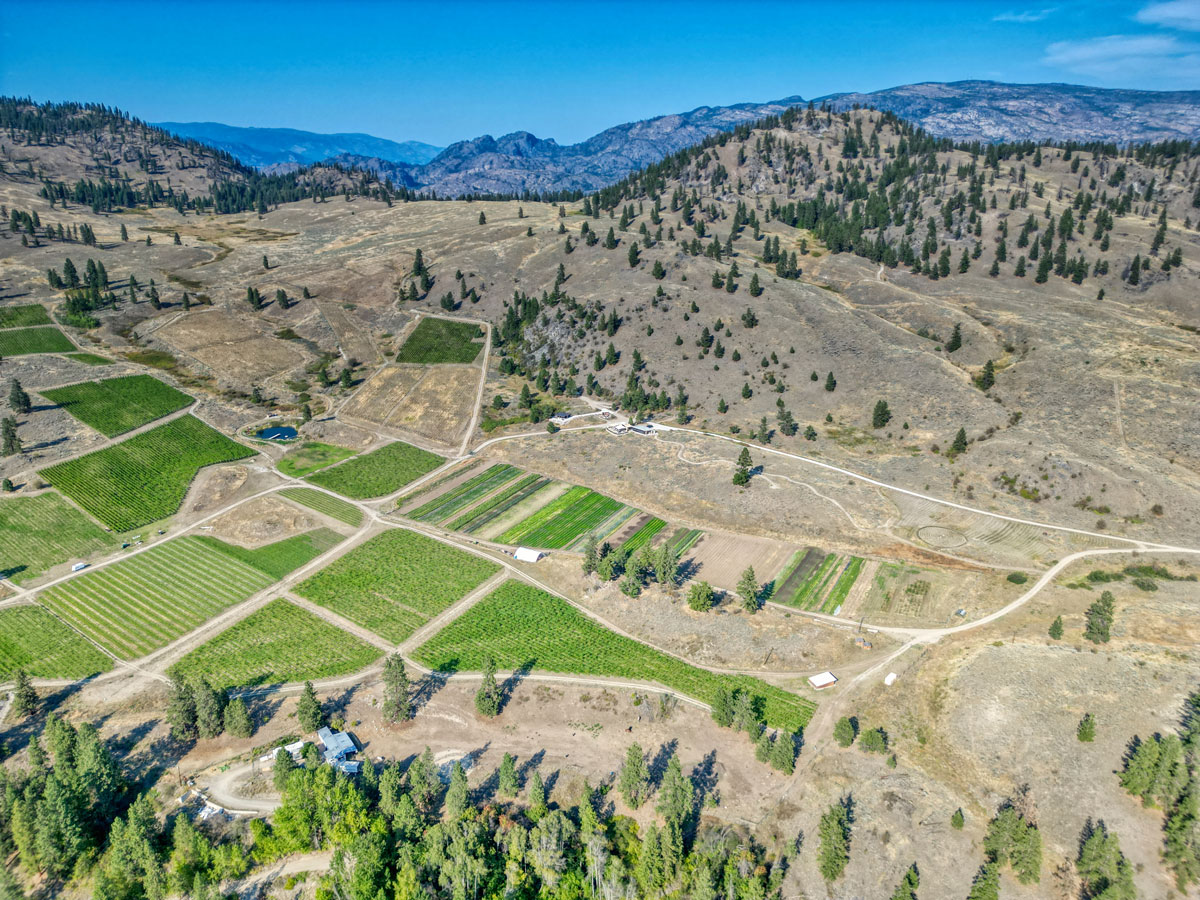
At more than 600 metres above sea level, Garnet Valley Ranch is one of Canada’s highest-elevation vineyards. Lionel Trudel photo
Elevation is one of the most influential natural tools a vineyard can possess. As vineyards climb higher above sea level, the growing environment shifts in subtle but powerful ways, shaping how grapes ripen and how wines ultimately taste.
Temperature is the first major change. As elevation increases, average temperatures generally decrease—roughly 0.6°C for every 100 metres gained. Cooler conditions slow the pace of ripening, allowing grapes to develop flavour complexity while preserving acidity. That retained acidity is essential to freshness and structure in wine, giving elevated vineyards a natural advantage in producing vibrant, balanced styles.
Temperature swings also become more pronounced at elevation. Warm, sun-filled days encourage sugar development and flavour ripeness, while cool nights slow metabolic activity in the grape. This wide diurnal shift helps preserve acidity and aromatic intensity, creating wines that feel both concentrated and energetic.
Sunlight behaves differently in mountainous vineyards as well. With a thinner atmosphere at higher elevations, grapes receive greater UV exposure. Vines respond by developing thicker grape skins as a form of natural protection. Those thicker skins often translate to deeper colour, more tannin structure and heightened flavour concentration in the finished wine.
These conditions are part of what makes elevation in viticulture both challenging and rewarding. Higher sites often face wind exposure, steep slopes and poorer soils that limit vine vigour. This can make farming more challenging, frequently resulting in lower yields and grapes with remarkable intensity.
Some of the world’s most exciting wines come from elevated sites. For instance, Argentina’s Uco Valley in Mendoza, where vineyards range from roughly 900 to 1,500 metres above sea level, is celebrated for Malbecs that combine depth, structure and freshness.
British Columbia offers its own compelling example. In Summerland, the Garnet Valley Ranch vineyard, part of the Okanagan Crush Pad portfolio that includes Haywire, sits between roughly 600 and 680 metres above sea level. Here, cooler temperatures and dramatic day-to-night swings help maintain bright natural acidity while allowing grapes to develop striking purity and structure.
In the end, elevation becomes an invisible winemaking partner, quietly shaping balance, freshness, and precision long before the grapes reach the cellar.
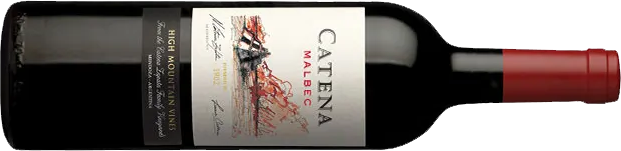
Catena High Mountain Vines Malbec 2022
(Mendoza, Argentina, $27.99)
Rich and inviting; dark chocolate, black plum, hazelnut.
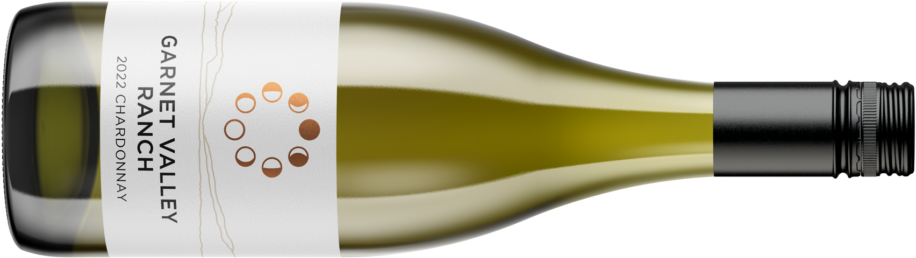
Okanagan Crush Pad Garnet Valley Ranch Chardonnay 2022
(Okanagan Valley, BC VQA, $34.99)
Lifted and bright; stone fruits, citrus, mouthwatering minerality.
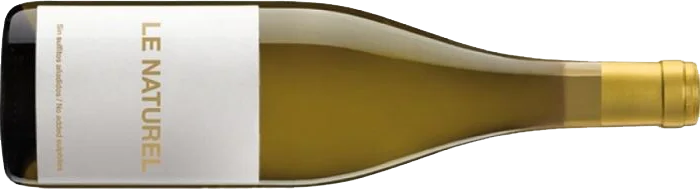
Bodegas Aroa ‘Le Naturel’ Blanco 2023
(Navarra DO, Spain $28.99)
Racy; Granny Smith apple, white flowers, juicy citrus.

Christine Campbell is a Vancouver-based freelance and travel writer, educator and host of the Wine Soundtrack Canada podcast. She is WSET certified and is a French Wine Scholar. Follow Christine’s adventures in wine and abroad at girlsgogrape.com and on Instagram at @girlsgograpedotcom.
Christine Campbell is a Vancouver-based freelance and travel writer, educator and host of the Wine Soundtrack Canada podcast. She is WSET certified and is a French Wine Scholar. Follow Christine’s adventures in wine and abroad at girlsgogrape.com and on Instagram at @girlsgograpedotcom.
Copyright © 2026 - All Rights Reserved Vitis Magazine