
Wine Culture Magazine
Wine Culture Magazine
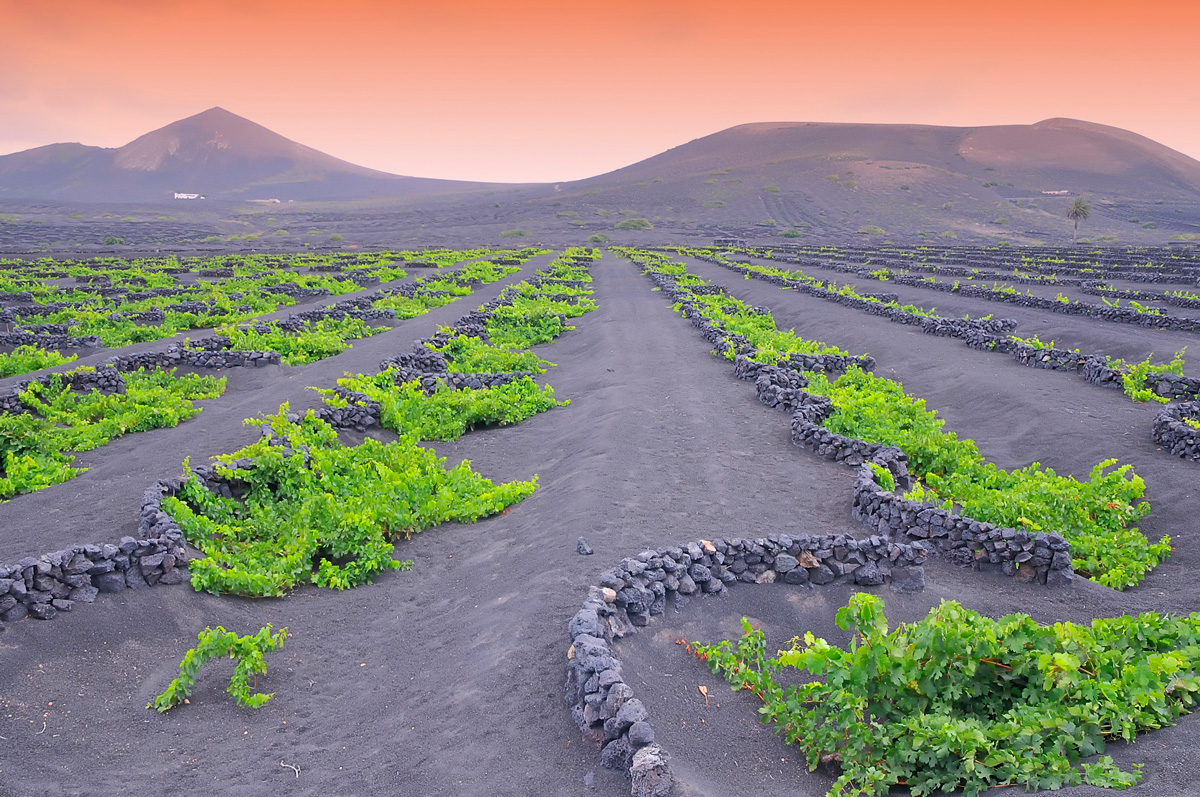
The revival of Listán Negro in the volcanic soil of the Canary Islands recognizes the unique flavour of Atlantic viticulture. iStock/Getty Images Plus/StockPhotoAstur
Around the world, winemakers are rediscovering long-overlooked grapes—reviving history, boosting vineyard biodiversity and offering drinkers fresh flavours far beyond the familiar international varieties.
For much of the late 20th century, the global wine industry marched toward uniformity. Cabernet Sauvignon, Chardonnay and Merlot became the lingua franca of vineyards from California to Chile. Yet quietly, and often in marginal vineyards or tended by stubborn growers, hundreds of traditional grape varieties survived. Today, many of these once-forgotten grapes are returning to the vineyard with surprising momentum.
Their revival is not simply a nostalgic gesture. It reflects a deeper shift in modern wine: a renewed interest in biodiversity, cultural identity, and a market increasingly curious about wines that taste different from the international norm.
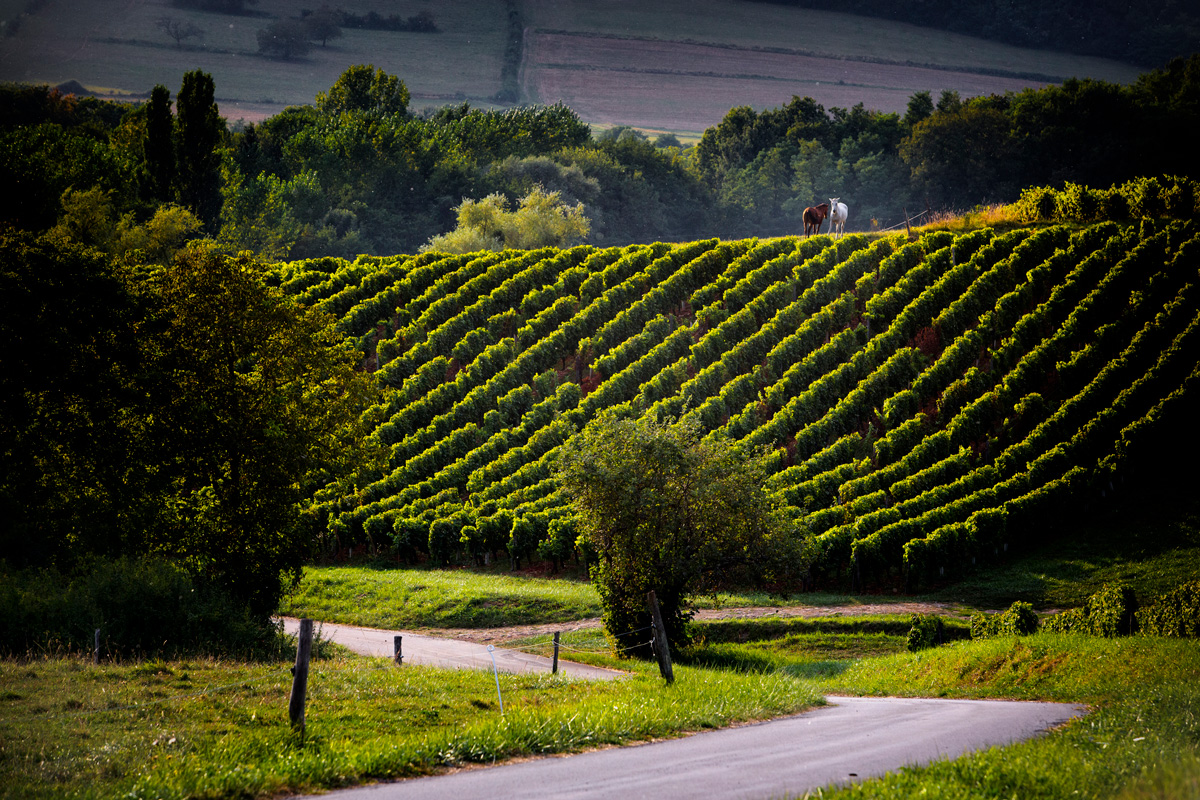
In Jura, in northeastern France, Savaginin has been cultivated for hundreds of years, but is newly intriguing wine connoisseurs.
iStock/Getty Images Plus/Jerome Genee photo
One of the most compelling stories comes from Chile’s País, a grape with roots reaching back to the earliest days of winemaking in the Americas. País traces its lineage to Spain’s Listán Prieto, carried across the Atlantic by missionaries in the 16th century and planted throughout colonial vineyards from Mexico to Chile.
For generations, País was dismissed as a rustic workhorse, productive but unfashionable, and was gradually replaced by Bordeaux varieties. Yet in Chile’s southern regions, old bush vines survived in dry-farmed vineyards.
Today a new generation of winemakers has rediscovered their value, producing light, energetic wines that speak directly of place. What was once considered humble is now celebrated for its freshness and historic authenticity.
A similar rediscovery is unfolding in Spain’s Canary Islands with Listán Negro, a grape long tied to the volcanic vineyards of Tenerife and neighbouring islands. Introduced centuries ago from mainland Spain, it adapted to the region’s windswept terrain and distinctive volcanic soils.
Modern producers are now embracing Listán Negro not merely as a regional curiosity, but as a distinctive expression of Atlantic viticulture. Often fermented with carbonic maceration (the process of fermenting whole grape clusters without yeast in a sealed vessel), the wines can be fragrant, light-bodied and lifted—a striking contrast to the heavier international styles that once dominated the market.
In France’s Jura, the story of Savagnin illustrates how heritage varieties can become symbols of regional identity. Savagnin belongs to the ancient Traminer family and has been cultivated in Alpine regions of Europe for centuries. In Jura, it produces one of the world’s most singular wines, vin jaune, which is aged for years beneath a veil of yeast similar to the flor used in sherry production. The resulting wine, layered with nutty, savoury complexity, represents centuries of local tradition.
While Savagnin remains rare, its distinctive style has attracted global curiosity among growers looking for grapes that deliver character and freshness. Small experimental plantings have begun appearing in wine regions such as B.C.’s Okanagan Valley and Oregon, where winemakers are exploring how the grape’s natural acidity and structure translate into new terroir.
Perhaps the most dramatic modern rise belongs to Assyrtiko, Greece’s flagship white grape. Indigenous to the volcanic island of Santorini, Assyrtiko is prized for its ability to retain piercing acidity even in hot climates.
That resilience has made it attractive to growers worldwide. Vineyards in California, Australia and British Columbia have begun experimenting with Assyrtiko, intrigued by its combination of citrusy freshness, mineral tension and age-worthy structure. Its success abroad reflects a broader trend: Varieties once confined to specific regions are now being tested across new terroirs.
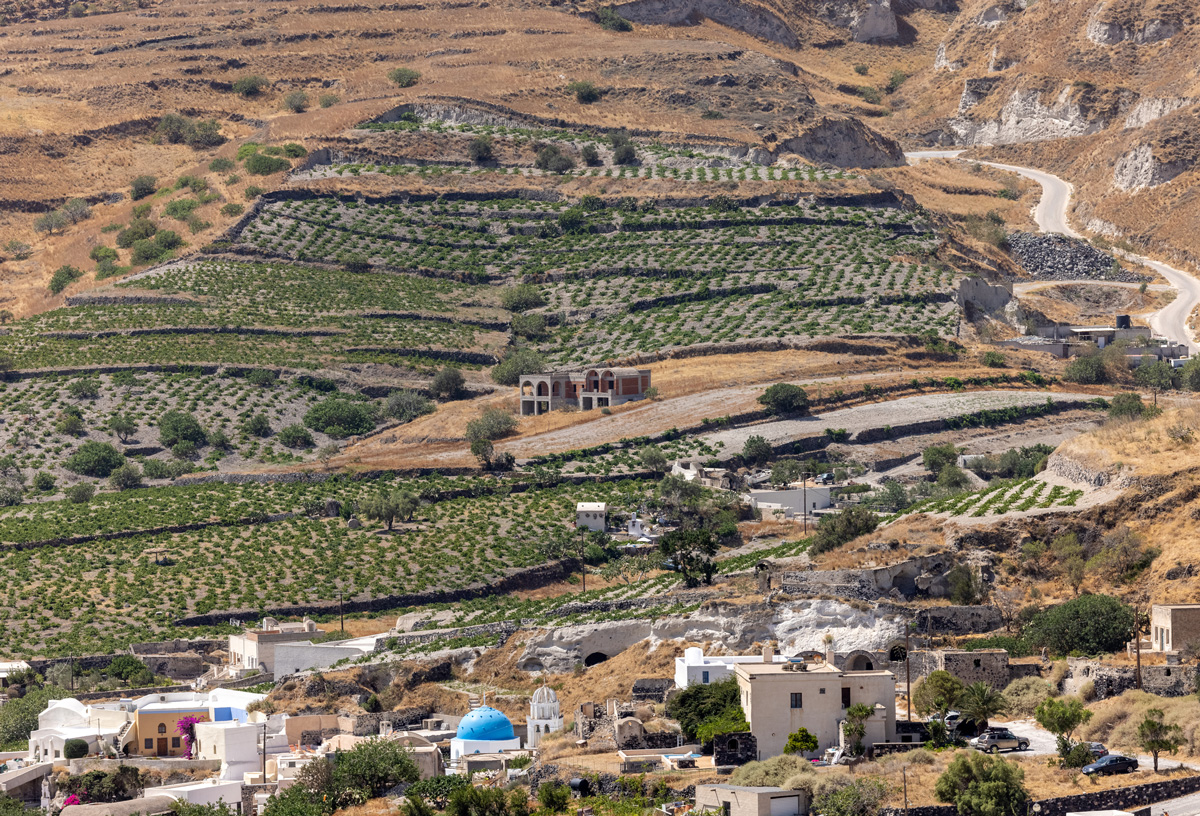
Assyrtiko originates from the volcanic island of Santorini in Greece and is prized for its resilience in hot climates. iStock/Getty Images Plus/wjarek photo
Beyond curiosity and novelty, these revival varieties are increasingly viewed through the lens of biodiversity and climate resilience. A vineyard landscape dominated by only a handful of global grapes can be vulnerable to shifting weather patterns, pests and disease pressure. Reintroducing lesser-known varieties broadens the genetic pool in vineyards and may provide valuable tools as growers adapt to warming temperatures and changing growing conditions. Many heritage grapes evolved in challenging environments—volcanic islands, arid valleys, windswept slopes—and their natural resilience may prove increasingly valuable in the decades ahead.
There is also a cultural dimension to their return. Wine regions around the world are rediscovering that indigenous grapes are powerful storytellers. They carry centuries of history—migration, adaptation, survival—within their DNA. Reviving them reconnects modern winemaking with its deeper agricultural and cultural roots.
Finally, there is the consumer and, perhaps most importantly, the sommelier. In cities around the world, wine bars and restaurant lists have become the testing ground for unfamiliar varieties. Sommeliers, always searching for wines that spark conversation at the table, have eagerly embraced grapes like País, Assyrtiko and Savagnin. These wines offer freshness, personality and a sense of discovery that resonates with adventurous wine drinkers.
The revival of forgotten grapes is more than a passing trend. It represents a broader rebalancing of wine culture—away from global homogeneity and toward a more diverse, expressive vineyard landscape.
In a world once dominated by a few international stars, the future of wine may belong to the grapes that history nearly forgot.
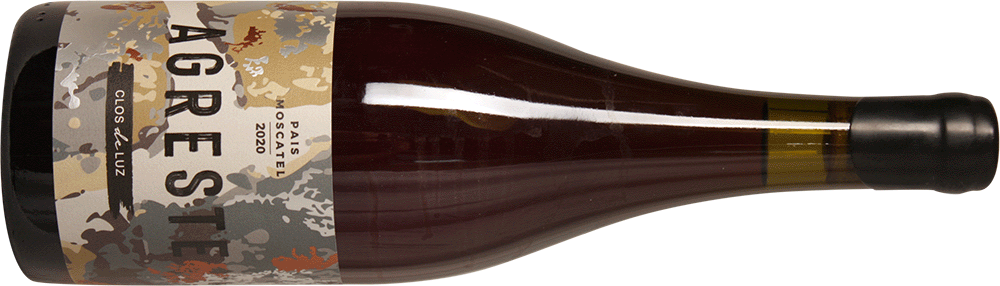
Clos de Luz Agreste País 2020
(Rapel Valley, Chile, $32.99)
Bright and floral; juicy, refined and light on the palate.
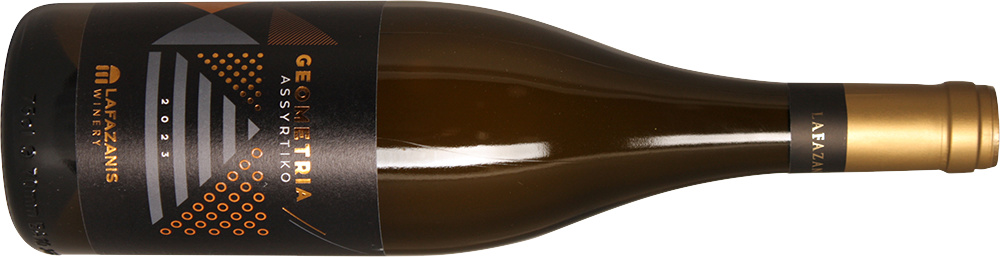
Lafazanis Geometria Assyrtiko 2023
(Peloponnese, Greece, $32.99)
Fresh and tantalizing, with notes of peach, apple and lemon.
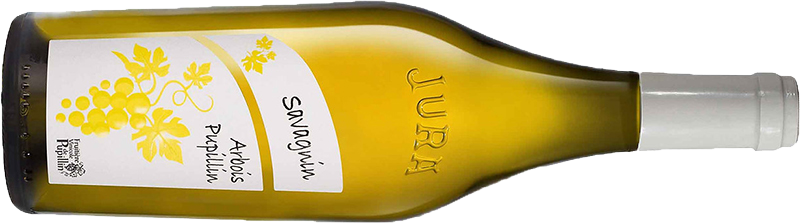
Fruitiere de Pupillin Savagnin
(Jura, France, $64.99)
Textured and elegant, with very good acidity and citrus notes.

Christine Campbell is a Vancouver-based freelance and travel writer, educator and host of the Wine Soundtrack Canada podcast. She is WSET certified and is a French Wine Scholar. Follow Christine’s adventures in wine and abroad at girlsgogrape.com and on Instagram at @girlsgograpedotcom.
Christine Campbell is a Vancouver-based freelance and travel writer, educator and host of the Wine Soundtrack Canada podcast. She is WSET certified and is a French Wine Scholar. Follow Christine’s adventures in wine and abroad at girlsgogrape.com and on Instagram at @girlsgograpedotcom.
Copyright © 2026 - All Rights Reserved Vitis Magazine