
Wine Culture Magazine
Wine Culture Magazine
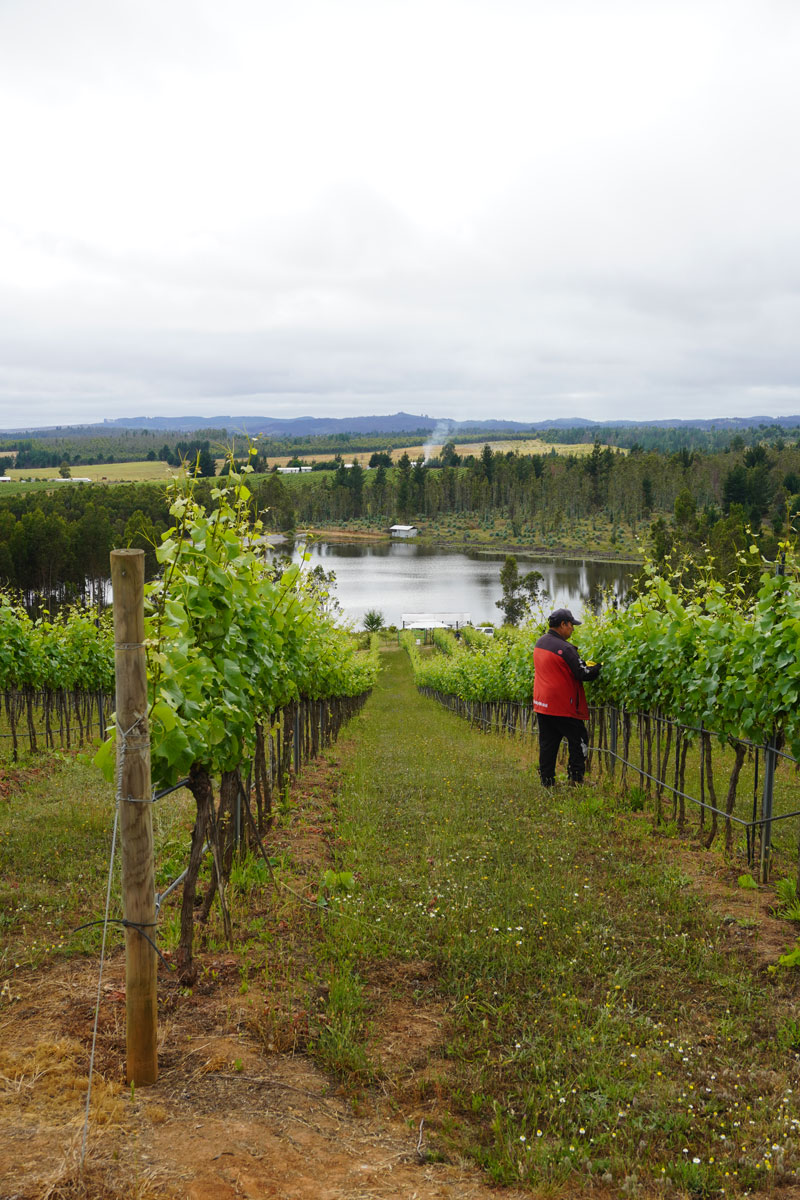
In Chile’s Malleco Valley, Indigenous Mapuche people work the vines in collaboration with Viña San Pedro to create the premium Tayú 1865 Pinot Noir. Photo courtesy of Tayú
Ten years ago, when wine grower Juan Curin Loncomilla first started cultivating his family land in Chile’s Malleco Valley, a.k.a. the gateway to Patagonia, he was surprised to find relics from battles of days gone by.
“When we did the soil preparation, this popped out,” says Loncomilla, holding a traditional bolo-like Mapuche weapon thought to be centuries old. “This was thrown at the horses’ legs and once they had the horse tangled, they could fight the Spaniards with their bodies.”
The Spaniards never conquered the Mapuche peoples, who are famous for their resistance to settler colonialism. To this day, many (if not most) of the more than 1.5 million Mapuche people living in regions like Bío-Bío, Los Lagos and Araucania consider themselves a sovereign nation—not Chilean citizens.
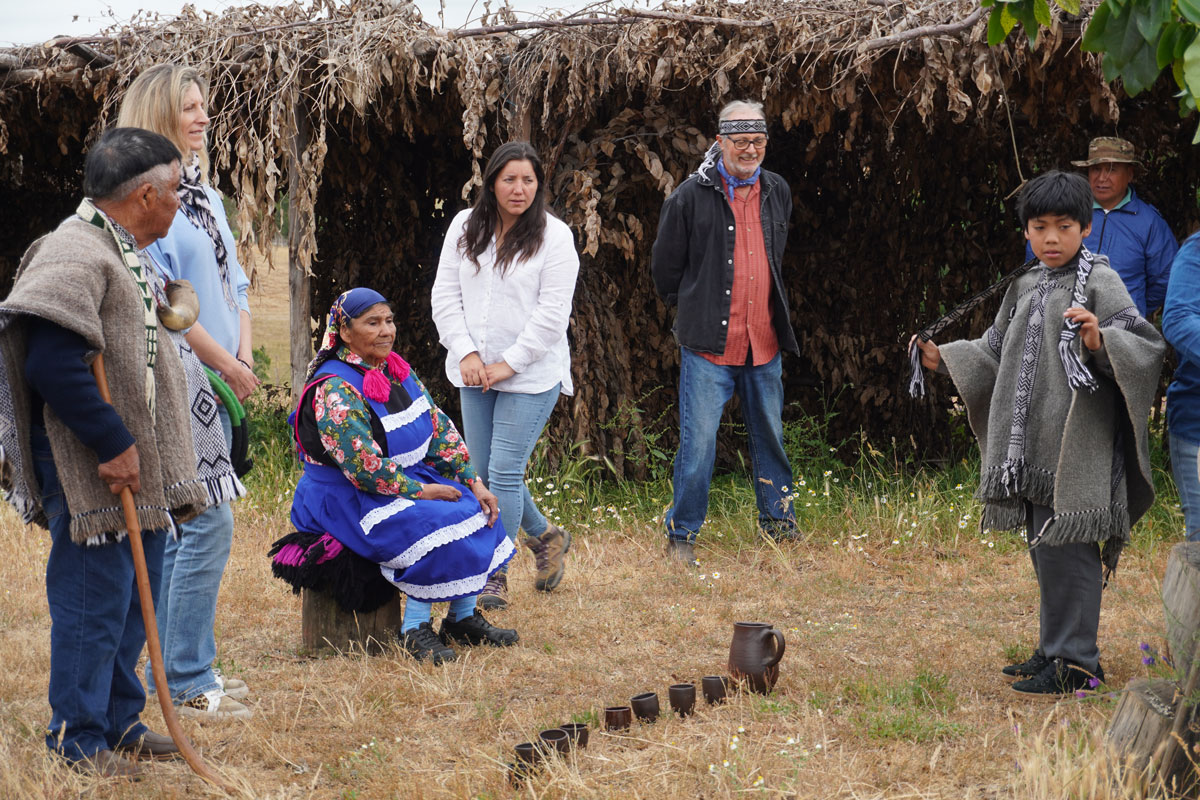
In the Mapuche community of Buchahueico, elders perform a traditional ceremony asking for permission to work the land. Photo courtesy of Tayú
A growing number also consider themselves professional wine growers, after a decade of working in partnership with Chile’s Viño San Pedro Tarapacá (VSPT) to grow grapes for San Pedro 1865 Tayú Pinot Noir. The project is currently limited to 11 families in the Indigenous community of Buchahueico and it only began a decade ago, with two growers, one of whom is Juan David Curin Chilahual (Loncomilla’s father). Still, it’s not too early to call it a success.
“He’s become one of the best viticulturalists I know,” says agricultural advisor Pedro Izquierdo of Chilahual. “I’m not talking about just in the Mapuche area, I’m talking about being the best I know in Chile.”
Given this success, you’d think other winemakers, especially in the Americas, might be looking to emulate this model and work with the Indigenous people in their own regions. Those relationships continue to be few and far between, but they can be powerful where they exist.
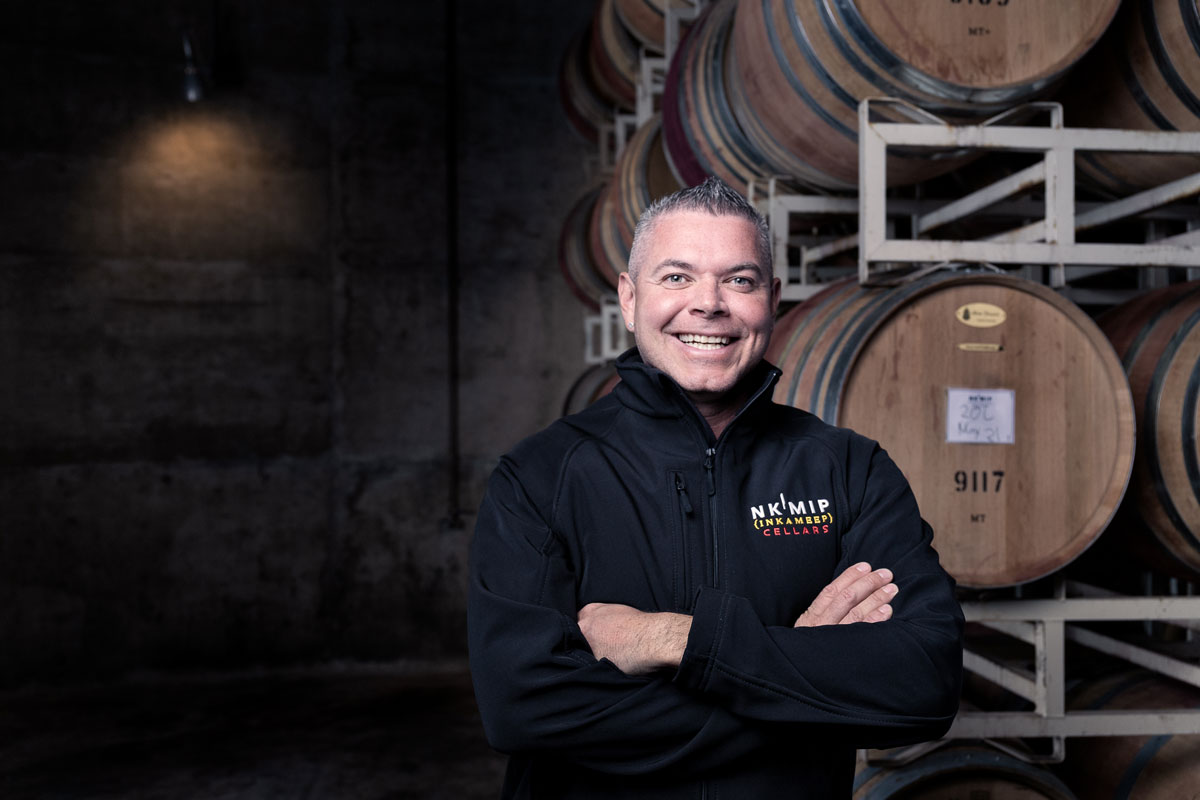
Justin Hall, head winemaker at Nk’Mip Cellars, believes there is huge potential for knowledge exchange between wineries and the Indigenous people who know the land. Jacquie Tremblay photo courtesy of Nk’Mip Cellars
In British Columbia’s Okanagan Valley, Justin Hall, head winemaker at Nk’Mip Cellars, a winery owned by the Osoyoos Indian Band, says that Canada’s limitations on the acreage of wine country are an obstacle for Indigenous participation.
“We’re in a very special spot in Canada where you can grow great grapes,” says Hall, referring to Osoyoos, which is part of the Syilx Okanagan Nation. “Due to the harsh climates of Canada, there aren’t that many places where you can grow vinifera, outside of B.C. or Ontario.”
The Osoyoos Indian Band began growing grapes in 1968, making it a pioneer in the B.C. wine business.
“We didn’t have a lot of businesses at the time. Grape growing might have been the very first business,” says Hall. “We’re at the tip of the Sonoran Desert, so we have rocky, arid soils that aren’t the greatest for ground crops. But grapes like arid soils and they don’t need a lot of water, so that was the thinking.
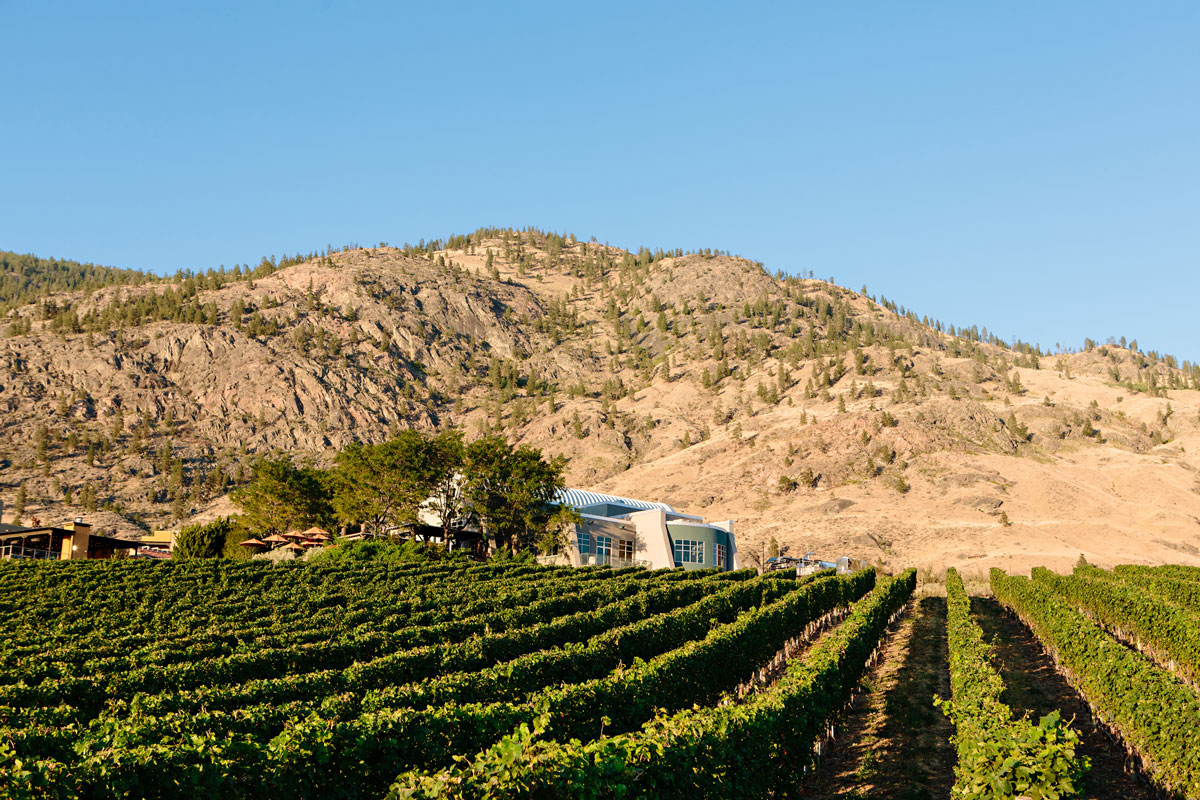
The Osoyoos Indian band knew their arid soil wouldn’t support most food crops—but turned out to be perfect for wine grapes. Photo courtesy of Nk’Mip Cellars
“We started making wine in 2002, making us the first Indigenous winery in Canada,” he adds, noting that Nk’Mip’s 25th anniversary is coming up soon.
Although Hall doesn’t necessarily see many opportunities for Indigenous grape growers in Canada right now, there’s no shortage of possibilities for collaborations on other crops and for knowledge exchange within the wine industry.
Hall points to the Syilx Okanagan Nation’s understanding of fire management and cites a recent example in which allowing a controlled burn in March 2021 might have prevented a much bigger fire later that year. Since then, the B.C. government launched the Cultural Burning and Prescribed Fire program, which is informed by Indigenous knowledge holders.
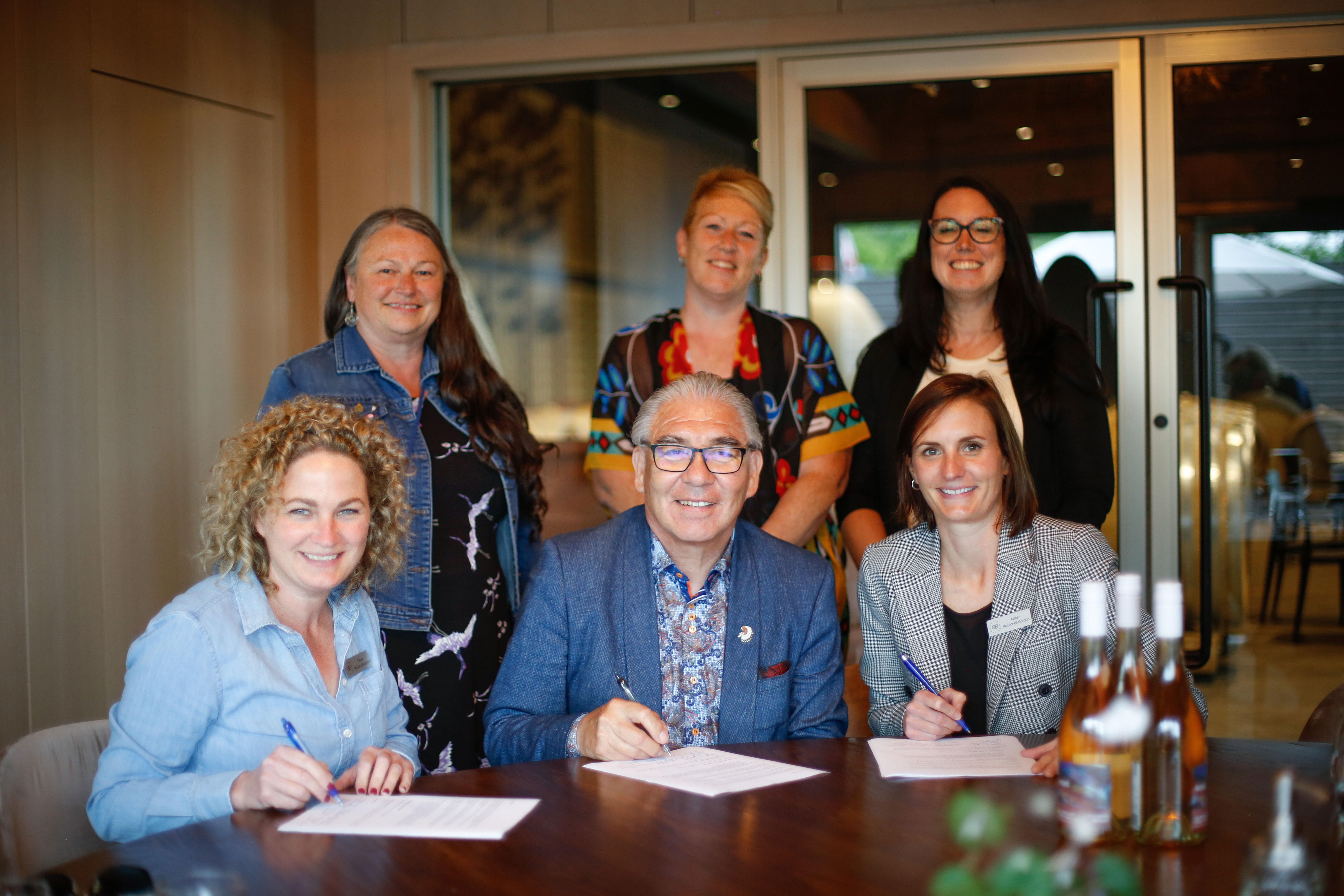
The Benjamin Bridge team signs the memorandum of understanding with the Glooscap First Nation. Photo courtesy of Benjamin Bridge
Outside of B.C. and Ontario, there is one other Canadian region known for some success with vinifera, namely, Nova Scotia’s Annapolis Valley, all of which is the ancestral and unceded territory of the Mi’kmaq. Although the region is famous for hybrid viticulture, some wineries, notably Benjamin Bridge, grow cool climate vinifera grapes such as Pinot Noir, Chardonnay and Riesling.
Known for its commitment to social responsibility, in 2017, the team at Benjamin Bridge started exploring the possibility of a relationship with their neighbours, the Glooscap First Nation, in the spirit of reconciliation. The first step, though, was asking elders if it was an appropriate relationship.
“The history between Indigenous peoples and alcohol is not a good one, so it’s an unusual relationship,” says Zabrina Whitman, founder of Young Soaring Eagle Consulting. “The elders’ guidance was, ‘Yes, but we never must shy away from the reality of history. We have a duty in this work to be responsible to truth-telling.’”
Glooscap and Benjamin Bridge went on to make Glooscap First Nation Rosé together. Grape selection and the blend are done by members of the First Nation and 50 per cent of proceeds go to community and social welfare programs. There’s a bigger aim, though, namely: decolonizing agriculture.
“Indigenous stewardship recognizes the interconnectedness of all things,” explains Whitman. “Concepts like ‘netukulimk’ teach us to take only what we need and not more. If there is not enough sustenance for the future, we don’t take. It highlights how abuse of the land harms it [e.g. micronutrient levels] and that regenerative techniques support ecosystem well-being.”
Whitman recently acted as conference convener for “Growing Together,” a two-day workshop held at Acadia University that brought Mi’kmaq experts, growers and other stakeholders together. Jean-Benoît Deslauriers, head winemaker at Benjamin Bridge, was in attendance.
“I do believe that this relationship, allyship and friendship absolutely changed our perspective in a way that is permanent,” says Deslauriers. “It transformed what we do.”
Deslauriers says that, 25 years ago, he was fascinated with the possibility of matching the sensory qualities of great Champagnes or Burgundian Pinot Noirs in Nova Scotia. He now sees these interests as driven by status-oriented colonial standards and reference points.
“If you look at our perspective now, it’s a lot more complex and it involves elements that bring a lot more to the equation of what we do,” he says. “There’s definitely a clear before and after.”
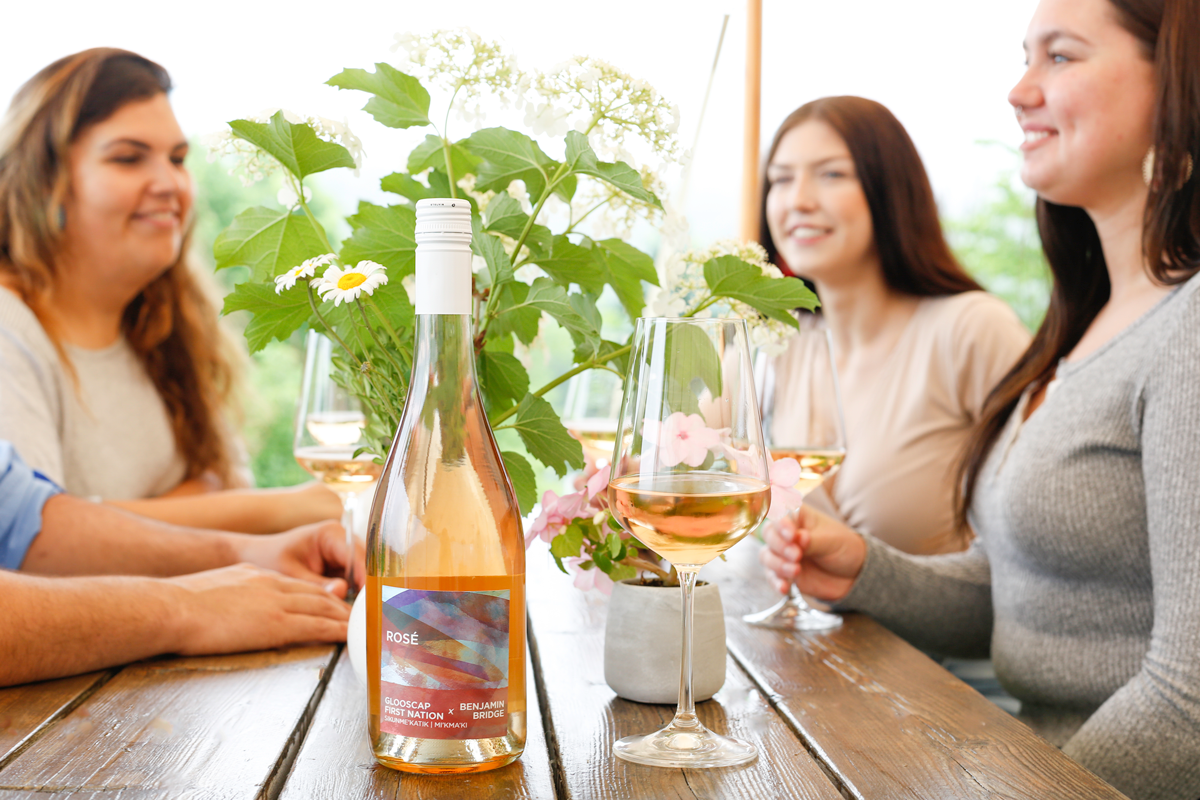
Making this rosé with the Glooscap First Nation has transformed everything the Benjamin Bridge team does. Aly Ambler photo courtesy of Benjamin Bridge
Back in Chile, VSPT gets high-quality cool-climate Pinot Noir grapes out of their relationship with the Mapuche. In exchange, Loncomilla and his father have used this steady and reliable source of income to invest in businesses on the property, notably a new “ruca” (a traditional Mapuche house) to accommodate their nascent Indigenous tourism business.
And the exchange doesn’t end there. Izquierdo says the Tayú team has learned a lot about the “wholeness of the system” from the growers who already had plenty of experience in both agriculture and forestry management informed by multi-generational knowledge.
Tayú head winemaker Viviana Navarrete says the project was born out of a desire to build up VSPT’s social sustainability program. She and her team started working on it in 2012, not long after the Sustainability Code for the Chilean Wine Industry—which emphasized the importance of social justice—was released in 2010.
It took a few years to get underway, but a system involving start-up grants from the government and zero-interest loans from VSPT, as well as a 10-year exclusivity contract, was established and the vines were planted. If the loans are paid—and three of 11 are—at the end of the 10-year period, growers can sell to any winery. VSPT considers becoming fluent in the business and free to sell to the highest bidder is a signal of success.
The other sign of success, of course, is the wine itself. Tayú is an elegant and energetic terroir wine that’s expressive of the region’s cool-climate fruit and savoury herbal notes. It’s distinct from other Chilean Pinot, partly because of its bright vitality and discernible structure, thanks, Navarrete says, to the granitic soil.
“The Mapuche didn’t have any experience with viticulture, though, so it’s been amazing to see them learn very, very fast,” says Navarrete. “We think that’s because they have this keen sense of observation and intimate understanding of nature.”
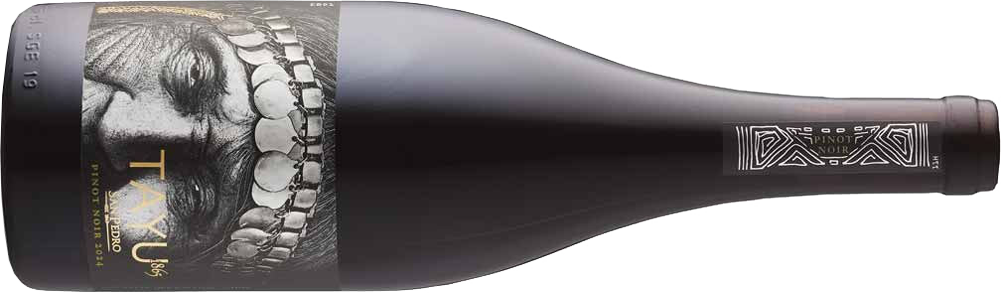
Tayú 1865 Pinot Noir 2021
(Malleco Valley, Chile, $23.95)
Bright, lively, wild cherries and light pepper.
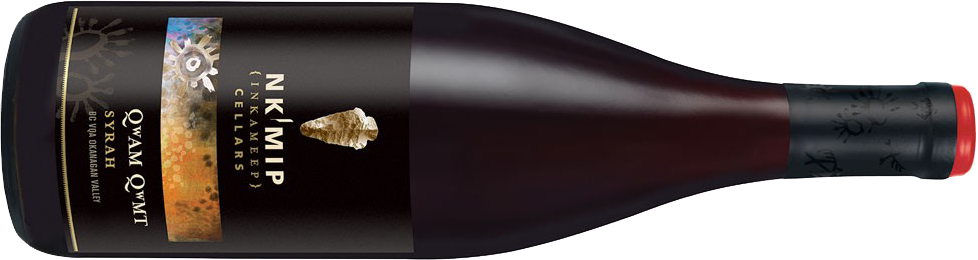
Nk’Mip Qwam Qwnt Syrah 2022
(Osoyoos, B.C., $42.99)
Plush and intense dark berries, violets and black pepper.
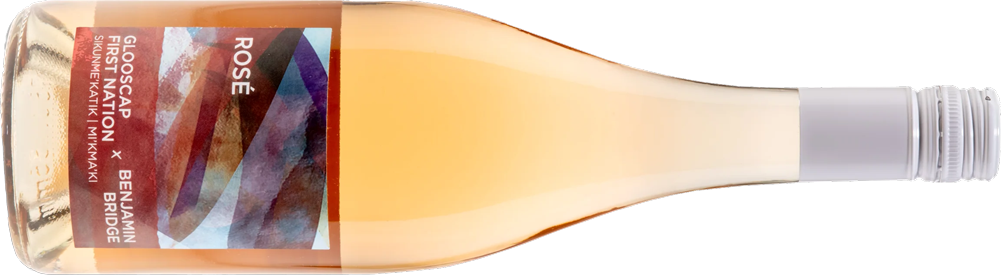
Glooscap First Nation x Benjamin Bridge Rosé 2022
(Annapolis Valley, N.S., $26.95)
Fresh, light, stone fruit and berries.
CHRISTINE SISMONDO is a National Magazine Award-winning writer who covers spirits, wine, bars and cultural history for numerous publications, and is the author of America Walks into a Bar.
CHRISTINE SISMONDO is a National Magazine Award-winning writer who covers spirits, wine, bars and cultural history for numerous publications, and is the author of America Walks into a Bar.
Copyright © 2026 - All Rights Reserved Vitis Magazine