
Wine Culture Magazine
Wine Culture Magazine
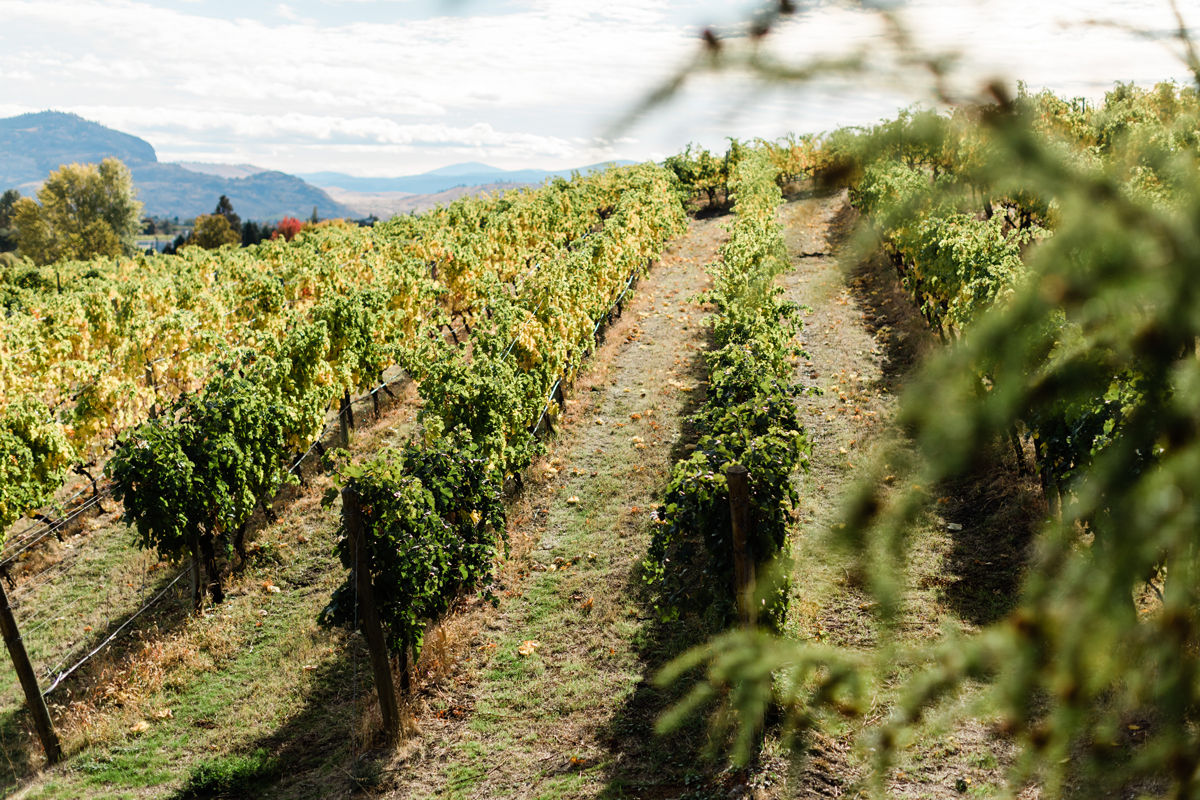
The terroir may be unique to the Okanagan, but its potential was harnessed in the early days by newcomers from New Zealand, France and elsewhere. Photo courtesy of Wine Growers British Columbia
When Mission Hill Family Estate owner Anthony von Mandl lured New Zealand winemaker John Simes from Montana Wines in 1992, it marked a pivotal moment proving that the Okanagan was capable of attracting significant talent from elsewhere. Just two years later the owner’s bold move was validated. Von Mandl says that when Simes’s 1992 Mission Hill Reserve Chardonnay won Best Chardonnay at London’s prestigious International Wine & Spirit Competition, “It was the first time I knew my dream had legs.”
(An aside: When revealed to the judges that the winning wine was, of all things, Canadian, they decided they had to re-taste it, just to be sure.)
While B.C.’s new generation of award-winning winemakers is very much home-grown, the Okanagan owes a good portion of its early success to significant skills imported from elsewhere. When Simes arrived, there were only a score of grape wineries in B.C. Within a decade, that number had blossomed to more than 70, not a few helmed by leading lights from around the world.
But how much outside influence actually shapes the wines is questionable. Rarely do winemakers from elsewhere replicate their previous experience, although it can happen, says Haywire chief winemaker Matt Dumayne, who is also originally from New Zealand. He says he initially might have been guilty of that “until I came to understand the nuances of the valley and our soils and microclimates.
“The biggest thing overseas experience brings to the table is adaptability,” says Dumayne, especially when it comes to dealing with the unexpected. “Every year here is different climatically. Plus throw in massive extreme weather events such as fire, snow, very hungry wild animals and, of course, the freezes.”
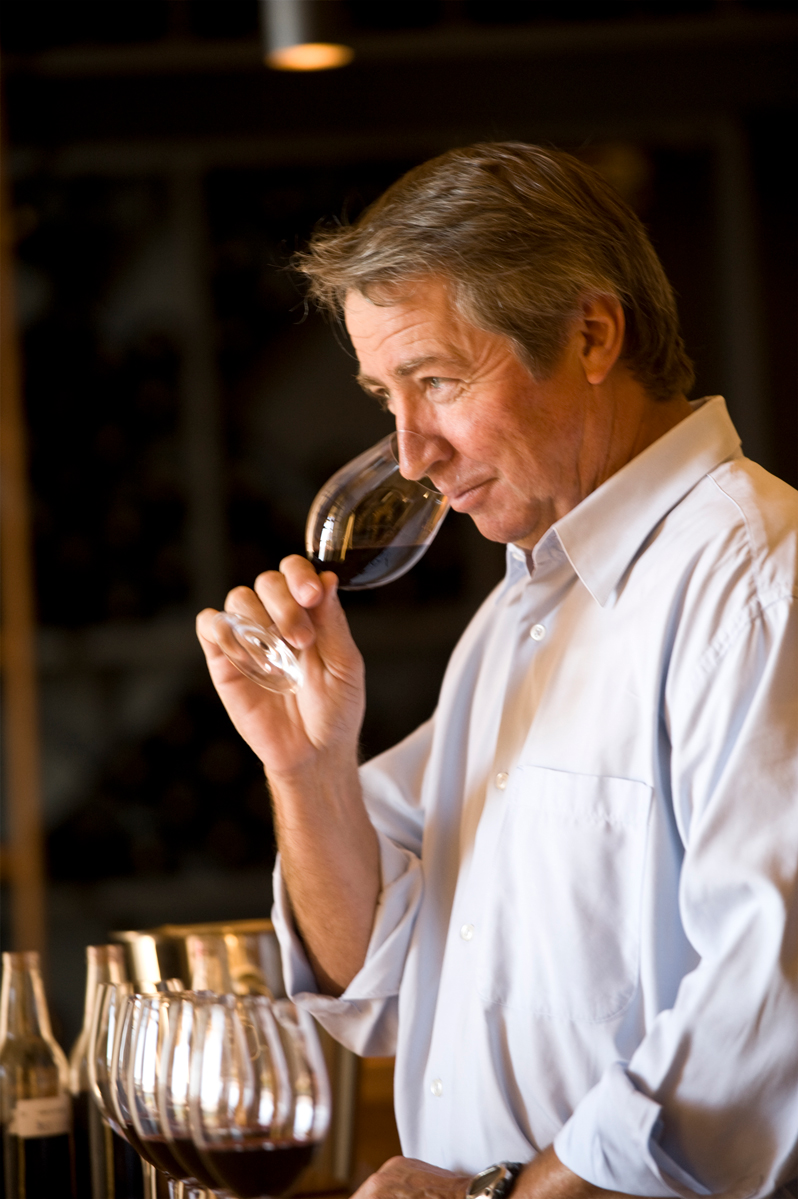
Celebrated New Zealand winemaker John Simes was among the first outside experts to realize the potential of the Okanagan Valley—he crafted the 1992 Mission Hill Chardonnay that became the first B.C. wine to win a major international prize. Photo courtesy of Mission Hill Family Estate
In 2001 Pascal Madevon was hired as the inaugural winemaker for Osoyoos Larose. An experienced oenologist and viticulturist from Bordeaux, with family ties to Burgundy, he landed in the Okanagan just 10 days before harvest—knowing little about the valley.
Madevon was surprised to find just how large was his new backyard, as well as how well-suited the climate was to growing grapes. Not to mention the sheer range of varieties grown from Vernon to Osoyoos. “It’s incredible, all in 175 kilometres,” he marvels. The winemaker, now much in demand as a consultant, had also been unaware that irrigation was permitted as, at the time, it was not in Bordeaux. “It was totally new for me,” he says. “Irrigation means you can control to an optimum the quality of the grapes.”
As far as what’s changed since? “The quality of the people working in the winery or vineyards,” he says and adds, “We’re the same as in France. For me, that’s good!”
Sandra Oldfield recalls arriving in the valley in 1993. The Tinhorn Creek Winery co-founder was fresh out of the viticulture and oenology program at UCDavis in Northern California. When her instructors learned where she was headed, they told her it was “impossible to make wine north of the California-Oregon state line.”
As one of the new winery’s co-owners, Oldfield says she was concerned not only about winemaking, but other critical issues, such as tourism. “Where was the map of all the wineries,” she asked, “and restaurants and hotels? Well, there wasn’t one. I really did feel like I was on the edge.”
For the first few vintages, Oldfield maintained close contact with her UCDavis profs, sometimes sending them “the weirdest, crazy numbers. And they were, like, ‘Those numbers don’t make sense for winemaking.’” Oldfield says she then realized: “It really is true. It really was different up here, in the sense that the acids were so much higher, and the pH’s were so different.”
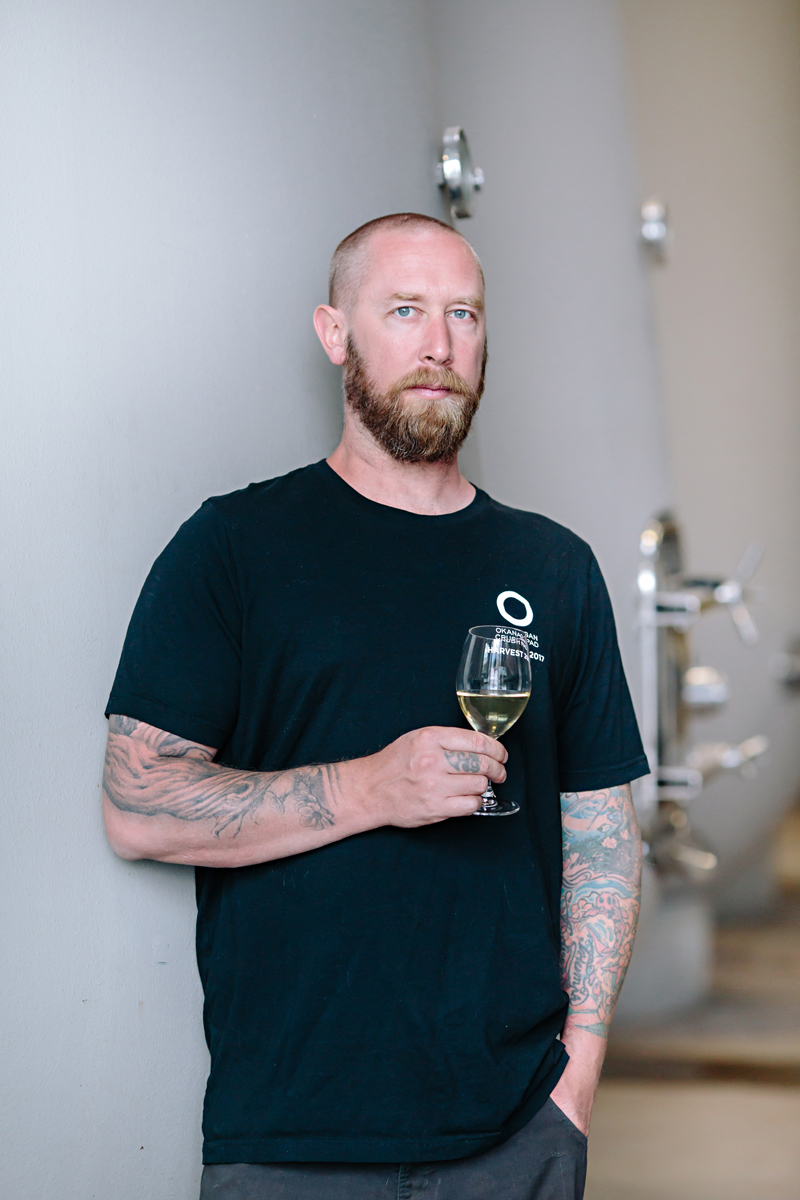
What outside experts bring isn’t their way of making wine, but an adaptability to the unique local conditions, says Matt Dumayne, chief winemaker at Haywire Winery. Jon Adrian photo
Vancouver-born, New Zealand-raised and -educated, Tantalus Vineyards general manager and winemaker David Paterson reckons: “You can come here with all the international talent you like. But you soon realize there’s lots of nuance and pitfalls that are unique to the Okanagan.” The bottom line? “You need to tweak and change your winemaking style to pursue the Okanagan and the unique fruit that we have here.”
Paterson sees the Okanagan as being “unique to anywhere else on the planet that grows the varieties we do.” And he highlights the “short, short season that is long. … From bud break to picking is one of the shortest in the world,” he explains, “because we get such long days through the summer [with] so much sunlight, and all our growing degree days in a shorter period of time than a lot of regions closer to the equator.” It was vastly different from his prior experiences in Adelaide Hills, Central Otago and Willamette Valley.
Like Oldfield, Paterson also shared some “screamingly high” Riesling chemistry with his Southern Hemisphere mentors. “What do you mean you’ve got 21 brix and 13 grams of acid?” they asked. “Is that possible?” And then, “How does the juice taste?” “Amazing,” said the winemaker. “Well, just make the wine and see what happens.” He did. Okanagan Riesling never looked so good.
“Global knowledge is a great help,” says Haywire’s Dumayne. But “the great thing about winemaking is the constant learning process: Every year you gain something you can apply to future vintages.” He adds that, after 37 vintages, he’s “come to accept and hopefully apply a certain calmness and composure to winemaking.” No matter what happens, he assures, everything is going to be OK.
“Hopefully,” he adds, “with the base that Mother Nature gives us, we can create something special and unique to the Okanagan and most importantly delicious and worth remembering.”
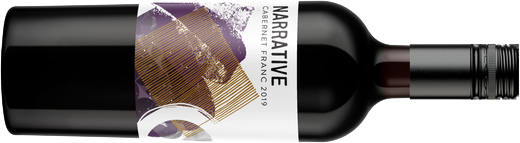
Narrative Cabernet Franc 2019
(Okanagan Valley BC VQA, $27) Concrete aged; cherries, strawberry, silky.
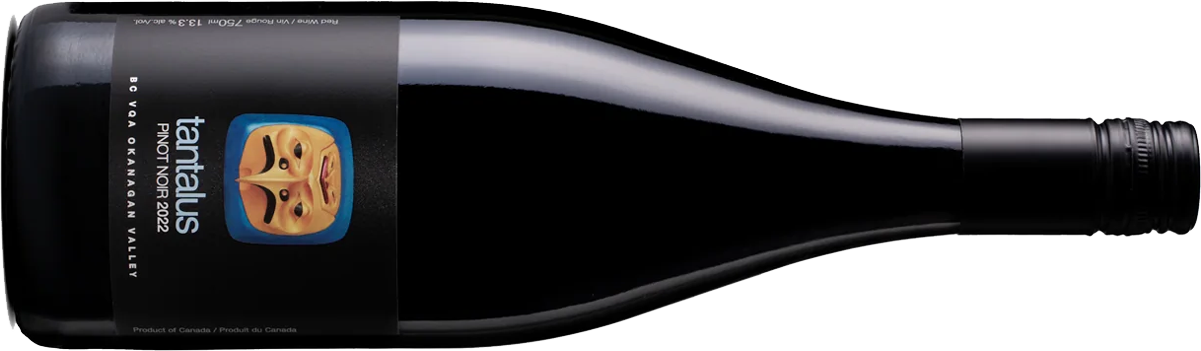
Tantalus Pinot Noir 2022
(Okanagan Valley BC VQA $36) Cherries, earthy; blackberry, cranberry, rhubarb.
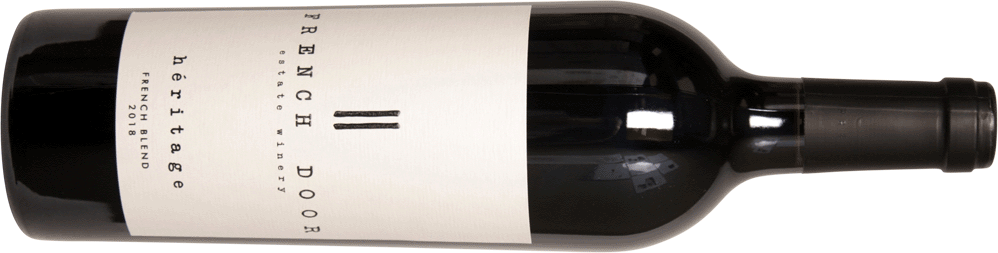
French Door Héritage 2020
(Okanagan Valley BC VQA, $52) Red berries; plum, cassis, spice, mocha.

Tim Pawsey writes and shoots at hiredbelly.com as well as for publications including Quench, TASTE and Montecristo. He’s a frequent wine judge and is a founding member of the B.C. Hospitality Foundation.
Tim Pawsey writes and shoots at hiredbelly.com as well as for publications including Quench, TASTE and Montecristo. He’s a frequent wine judge and is a founding member of the B.C. Hospitality Foundation.
Copyright © 2026 - All Rights Reserved Vitis Magazine