Wine Culture Magazine
Wine Culture Magazine

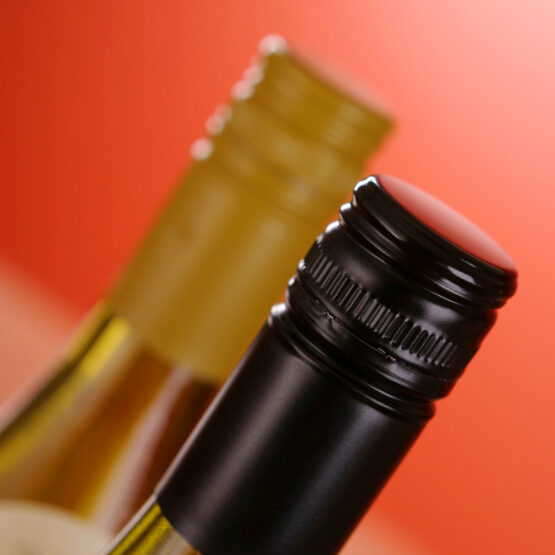
Not just easy to open, Stelvin closures preserve wine’s freshness. iStock/Getty Images Plus/donald_gruener photo
From freshness keeper to age-worthy ally, Stelvin closures are twisting tradition in all the right ways.
Once upon a time, a screw cap meant “cheap plonk.” Today, the Stelvin closure can be as much a sign of quality as a grand cru label. But what’s actually happening under that sleek aluminum twist-off?
Invented in 1964 by Le Bouchage Mécanique (now part of Amcor) to solve cork taint woes, the Stelvin closure was first used commercially in 1970s France and made mainstream by Australia and New Zealand in the early 2000s.
Stelvin is an airtight closure lined with a thin, food-grade layer—usually polyethylene with a tin or Saranex barrier—that keeps oxygen out and freshness in. This is its superpower: The wine inside ages more slowly and more predictably than under natural cork, which can allow up to three milligrams of oxygen a year to sneak through (and occasionally, that infamous cork taint). With Stelvin, oxygen ingress can be as low as a tenth of a milligram annually. In wine terms, that’s almost hermetically sealed.
The result? Screw caps are brilliant for preserving aromatic whites—think Riesling, Sauvignon Blanc, Pinot Gris—keeping them crisp and zesty for years. They’re also gaining ground for reds, especially those intended to retain vibrant fruit rather than develop leathery, tertiary notes.
But here’s the twist: Wine can age beautifully under a screw cap; it just does so differently. Without much oxygen, evolution is slow and flavour development subtle. A 10-year-old Riesling under Stelvin might taste shockingly youthful, while the same wine under cork could show honeyed, nutty complexity. Neither is “better”—it’s simply a matter of style and winemaking intention.
Today’s winemakers even choose different screw-cap liners to fine-tune oxygen exchange, tailoring closures like they would oak barrels or yeast strains. The humble Stelvin is no longer just a lid—it’s a precision tool.
So next time you twist instead of pull, know you’re handling one of wine’s smartest pieces of tech. And you won’t need a corkscrew.
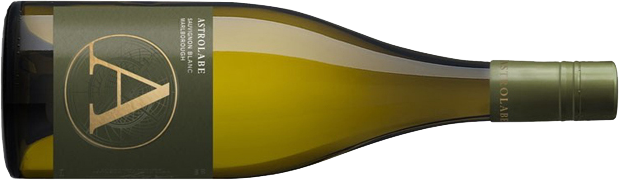
Astrolab Province Sauvignon Blanc 2024
(Marlborough, New Zealand, $27.99) Crisp, refreshing. Lime, green apple, honeydew, slate.
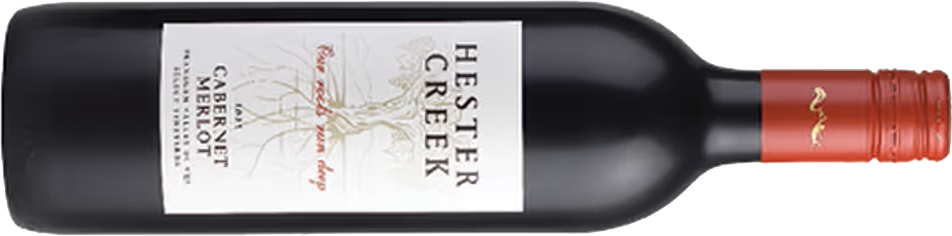
Hester Creek Select Vineyards Cabernet Merlot 2022
(BC VQA Okanagan Valley, $21.99) Robust red blend with flavours of blackberry and mocha.
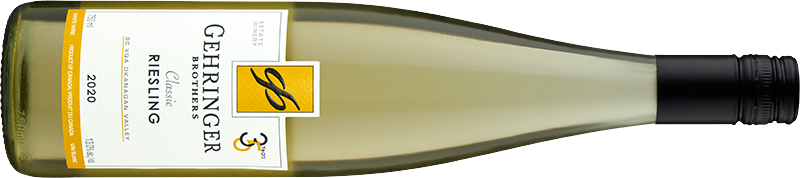
Gehringer Brothers Riesling
(BC VQA Okanagan Valley 2020, $17.99) Classic aromatic Riesling from Golden Mile Bench;. fantastic with food.

Christine Campbell is a Vancouver-based freelance and travel writer, educator and host of the Wine Soundtrack Canada podcast. She is WSET certified and is a French Wine Scholar. Follow Christine’s adventures in wine and abroad at girlsgogrape.com and on Instagram at @girlsgograpedotcom.
Christine Campbell is a Vancouver-based freelance and travel writer, educator and host of the Wine Soundtrack Canada podcast. She is WSET certified and is a French Wine Scholar. Follow Christine’s adventures in wine and abroad at girlsgogrape.com and on Instagram at @girlsgograpedotcom.
Copyright © 2026 - All Rights Reserved Vitis Magazine