
Wine Culture Magazine
Wine Culture Magazine
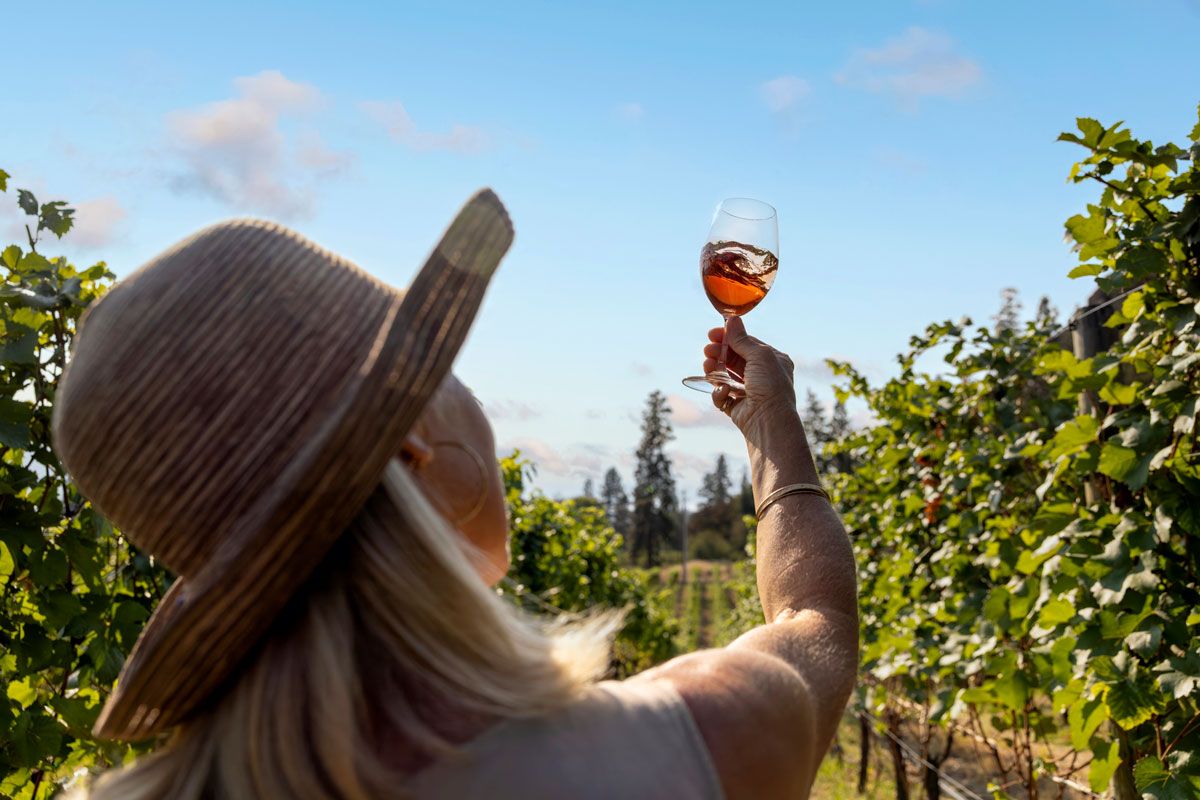
Spring calls out for lighter, fresher, juicier wines—which also happen to be just what our palates crave these days. Darren Hull photo courtesy of Wines of British Columbia
Fifty years ago this spring, on May 24, 1976, the wine world was stunned when two California wines beat their top French counterparts in a blind tasting that famously became known as the Judgment of Paris*. Several events are being held in commemoration, including a US$3,500-a-head dinner at The French Laundry in Napa. If you have some California wines in your cellar, consider opening one to celebrate.
But a shift like this isn’t just about Old vs. New World wines. It’s about how wine is ever-evolving, how palates and fashions change, grapes disappear and re-appear, world events come into play and a changing climate makes it possible to grow great wine in places that would have been impossible not so long ago.
A decade ago we weren’t talking much about wines from Georgia or Jura, and now they are the darlings of the wine world. We weren’t drinking Picpoul or Assyrtiko, and now we seek them out. And we sure weren’t looking to England for sparkling wines that rival those from Champagne. Now we do, while Champagne itself is dealing with heatwaves, spring frosts and high humidity, which in turn are leading to less acid in the wines, more disease in the vineyards and ever higher prices.
One fascinating conversation right now is the one around claret/clairet. “Claret” is what the British have traditionally called the bold, tannic, well-aged and often pricey red wines of Bordeaux. But these days we prefer lighter, brighter, fresher, lower-alcohol and more food-friendly reds. The result? The market for Bordeaux has slumped. Already, 15 per cent of Bordeaux’s vineyards have been dug up to be used for other types of farming.
It’s been suggested that the best solution is to produce lighter, younger, less tannic reds. As it turns out, there already is a Bordeaux wine exactly like that, one that’s been around since the medieval days when Eleanor of Aquitaine ruled the region: “clairet,” a juicy, easy-to-enjoy wine that hovers between rosé and light red. It’s best served chilled and goes great with backyard barbecues.
There has been some outcry and plenty of confusion, of course, because no one likes change. But change happens anyway. It’s not always comfortable, but for the most part it leads to exciting new flavours, techniques and styles—and even the return of wonderfully old ones.
After all, the world of wine is a big one, with plenty of room for a California Chardonnay, a Georgian Saperavi, both claret and clairet and whatever delicious new wine is going to come next.
—Joanne Sasvari, editor
*Organized by British wine merchant Stephen Spurrier, the Paris Wine Tasting of 1976 was won by Napa Valley’s Chateau Montelena 1973 Chardonnay and Stag’s Leap Wine Cellars 1973 Cabernet Sauvignon.

Joanne Sasvari is editor of Vitis and The Alchemist magazines. She also writes about food and drink for WestJet and Vancouver Sun, and is author of the Wickaninnish and Vancouver Eats cookbooks.
Joanne Sasvari is editor of Vitis and The Alchemist magazines. She also writes about food and drink for WestJet and Vancouver Sun, and is author of the Wickaninnish and Vancouver Eats cookbooks.
Copyright © 2026 - All Rights Reserved Vitis Magazine