
Wine Culture Magazine
Wine Culture Magazine
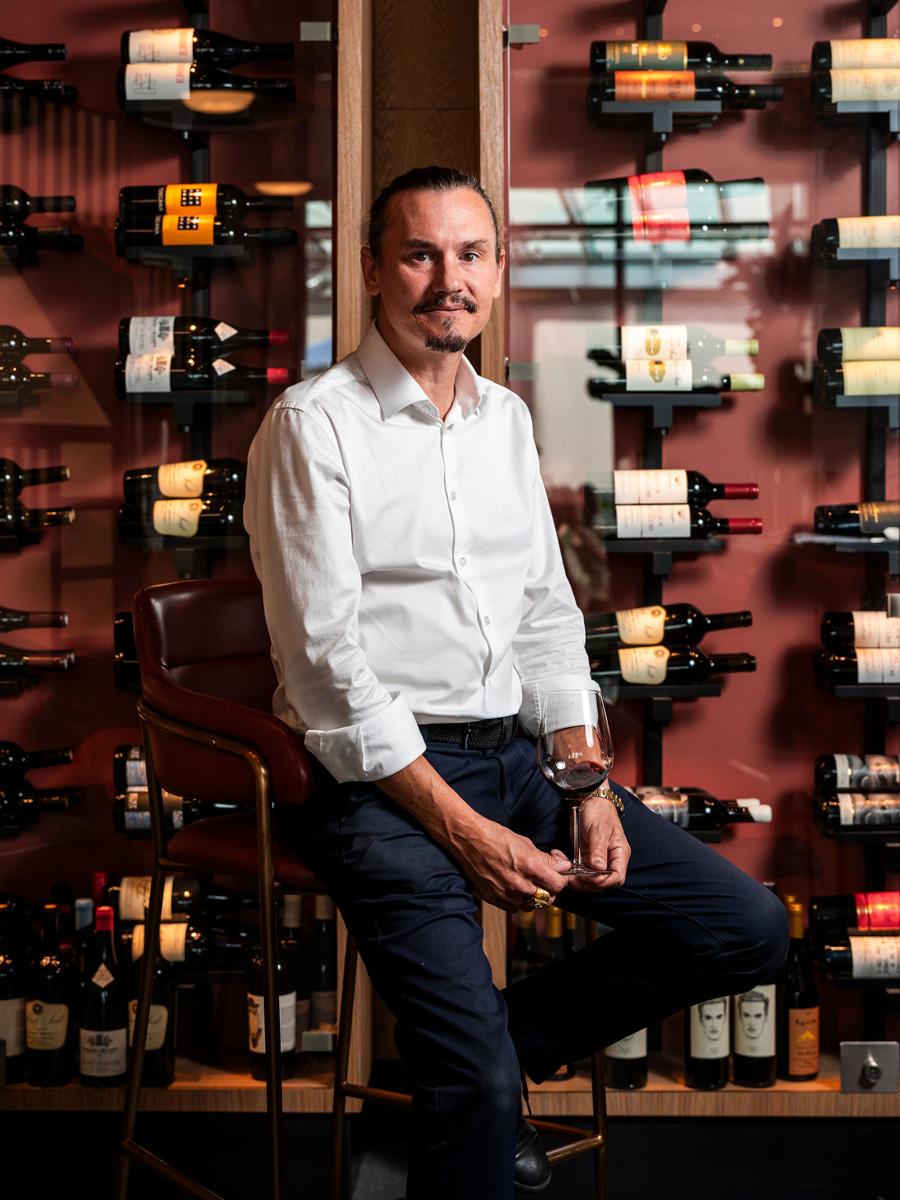
Mike Cooke, the assistant GM and sommelier at Wildlight Kitchen + Bar, finds that modern wine lists are priced more transparently than in the past. Photo courtesy of Wildlight Kitchen + Bar
When I was young, my mother told me of the holiest commandments. Thou shall not add ice to your wine. Thou shall not drink red wine with fish. And when buying a bottle, thou shall order the second cheapest one on the list.
She’d learned this information from friends, who had learned it from other wine drinkers. These guidelines spread across countries and continents, until they became the unwritten rules of ordering wine.
Somehow, as rumour declared, the second cheapest slot on the wine list became a place where sommeliers hid the best bottles. Ordering that bottle felt like a badge of honour, like you were privy to insider information. You were cheap, but chic. Ordering the least-expensive bottle? Meant you were just cheap.
On some menus, this trick will absolutely work. But there are plenty of other ways to find value on a wine list.
Christian Hamel, the wine director at Toronto’s just-reopened Harbour Sixty and the newly minted Arianna, is quick to dispel the myth of the second-cheapest bottle.
“The notion that the ‘second-cheapest bottle is the best value’ has always amused me,” he says.
He’ll go so far to argue that cheaper bottles often offer less value, not more. “Most wine lists are priced on a dynamic scale, with the steepest markups reserved for the entry-level selections,” says Hamel. “A $15 wine might appear at $60 on a list—a fourfold increase—while a $40 wine could be listed at $120, closer to a threefold markup.
“In other words, by paying twice as much as the cheapest option, you are often drinking a wine that costs nearly three times more at its source.”
Mike Cooke, who runs the wine program at Wildlight Kitchen + Bar in Vancouver, agrees. “The old ‘second-cheapest bottle’ trick doesn’t really apply any more,” he says. “That pricing strategy was more common years ago, when lists were often structured to push people toward certain price points. These days, especially on well-curated lists, wines are priced more transparently based on quality and value—not to steer guests toward a particular option.”
Let’s look at how a wine list is built. At restaurants, wine markups can range from two to four times the retail price—lower end for more casual places, and higher for Michelin-level and other more occasioned spaces. Some restaurants will put a blanket markup on all bottles, but a more popular approach is to massage prices based on demand. Lower-end bottles that sell quickly, like sparkling wine for mimosas, may be priced higher—those are your moneymakers.
Cooke points out that cult-ish bottles of Burgundian Pinot Noirs and Napa Cabernets will be heavily marked up. “When scanning a wine list for good value, avoid the big-name varietals from prestige regions—they’re often the most overpriced and rarely offer the best value on the list.”
On the flip side, many sommeliers will keep the deep-cuts and sleeper hit bottles at more reasonable prices for people to discover—wines from alt regions, lesser-known varieties and up-and-comer producers.
“It’s less about price psychology now, and it’s more about integrity in curation,” says Cooke.
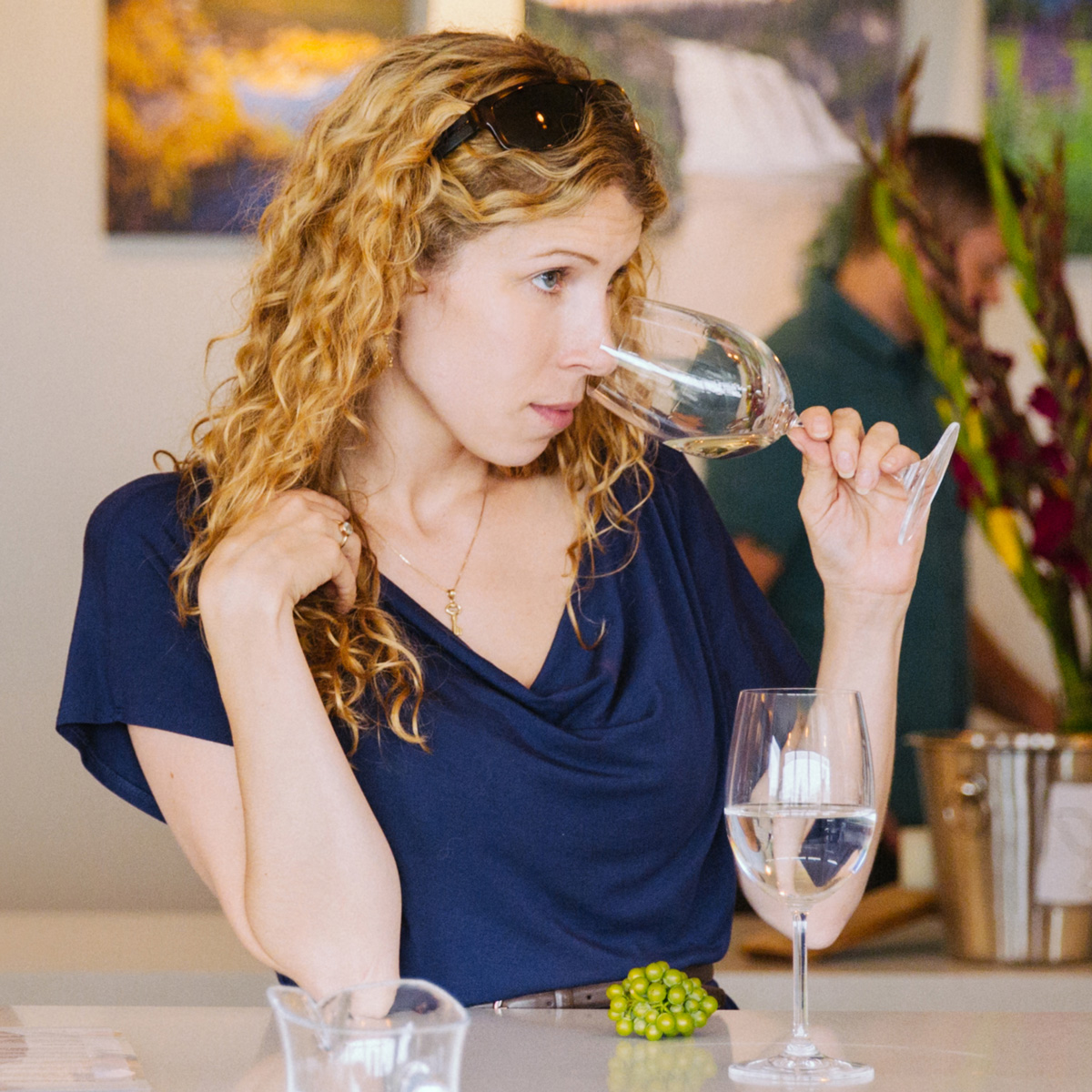
Sarah McCauley, corporate wine director for the Glowbal Group, suggests finding value among the lesser-known regions, producers and varieties. Photo courtesy of Glowbal Group
Sometimes the high prices are warranted. Wine, like many things, is expensive these days. Burgundy prices have risen to astronomical levels, affected by rarity, climate change, land prices and labour costs. Almost every other region in the world is feeling the same burn.
“Value is not only about pricing structure,” says Hamel. “It’s also shaped by the economic realities of where wines come from.”
His solution? Take your favourite grape and find out where else it grows.
“Consider Pinot Noir in Burgundy versus Germany,” says Hamel. “Both regions cultivate the same grape, both can produce wines in remarkably similar styles, and their climates are not far apart, separated only by subtle terroir distinctions.
“Yet Burgundy commands far higher prices,” he continues. “Demand and prestige play a part, of course, but so does scarcity: Burgundy produces significantly less Pinot Noir than Germany. The result is that even when quality and taste align, German Spätburgunder simply cannot command the same prices, a reality that filters directly onto restaurant wine lists.”
So stray from the familiar. “Look for wines that offer quality without the hype,” says Cooke. “Dry Rieslings, Sauvignon Blancs (especially from New Zealand), Pinot Gris, or interesting Italian picks like a Super Tuscan. Regions like Spain, Portugal and parts of Italy often deliver incredible wines at accessible prices.”
Sarah McCauley, corporate wine director for Vancouver-based Glowbal Group, suggests you start with the odd.
“If ordering from a list organized by region, find the ‘other wines’ category—there’s sure to be some gems in there,” McCauley advises. “You might find a crisp mineral-driven Kerner from the Alto-Adige region in Italy, or Mencía from Bierzo in Spain with lifted aromatics and crunchy red fruits. These selections didn’t fit into a section of their own, but for some reason couldn’t be left off the list.” Find out why—it’s likely they charmed the heck out of the sommelier.
If in doubt, ask the sommelier’s advice—they can help you find something exciting, new and within your budget. iStock/Getty Images Plus/Liudmila Chernetska photo
The biggest piece of advice sommeliers will impart: Trust them.
While their job is to run profitable beverage programs, they’re also in the business of relationship building. They want a list full of surprises and delights—one guests will come back for again and again. Essentially? Their end goal is to find you a wine you like. “A good sommelier isn’t there to upsell you, they’re there to guide you to something delicious that fits your style and budget,” says Cooke. “Don’t be afraid to ask!”
Be open about what you’re looking for and if you don’t spot things you recognize, give the sommelier a general sense of your vibe. What do you drink at home? What regions do you gravitate towards? Anything you hate? Did you fall for Tuscan wines on a recent vacation?
“The guidance of a sommelier can be invaluable,” says Hamel. “Beyond describing what’s in the glass, they can direct you toward overlooked opportunities: bottles from lesser-known regions, emerging countries or unconventional grape varieties.”
The most important puzzle piece for finding value: Lay out your budget or a rough range of what you’re willing to spend. The best somms will find you treats that won’t reach too deep into your wallet.

Kate Dingwall is a WSET-trained wine professional and a writer, editor and photographer covering spirits, food, culture and travel for publications such as Food & Wine and Serious Eats.
Kate Dingwall is a WSET-trained wine professional and a writer, editor and photographer covering spirits, food, culture and travel for publications such as Food & Wine and Serious Eats.
Copyright © 2026 - All Rights Reserved Vitis Magazine