Wine Culture Magazine
Wine Culture Magazine
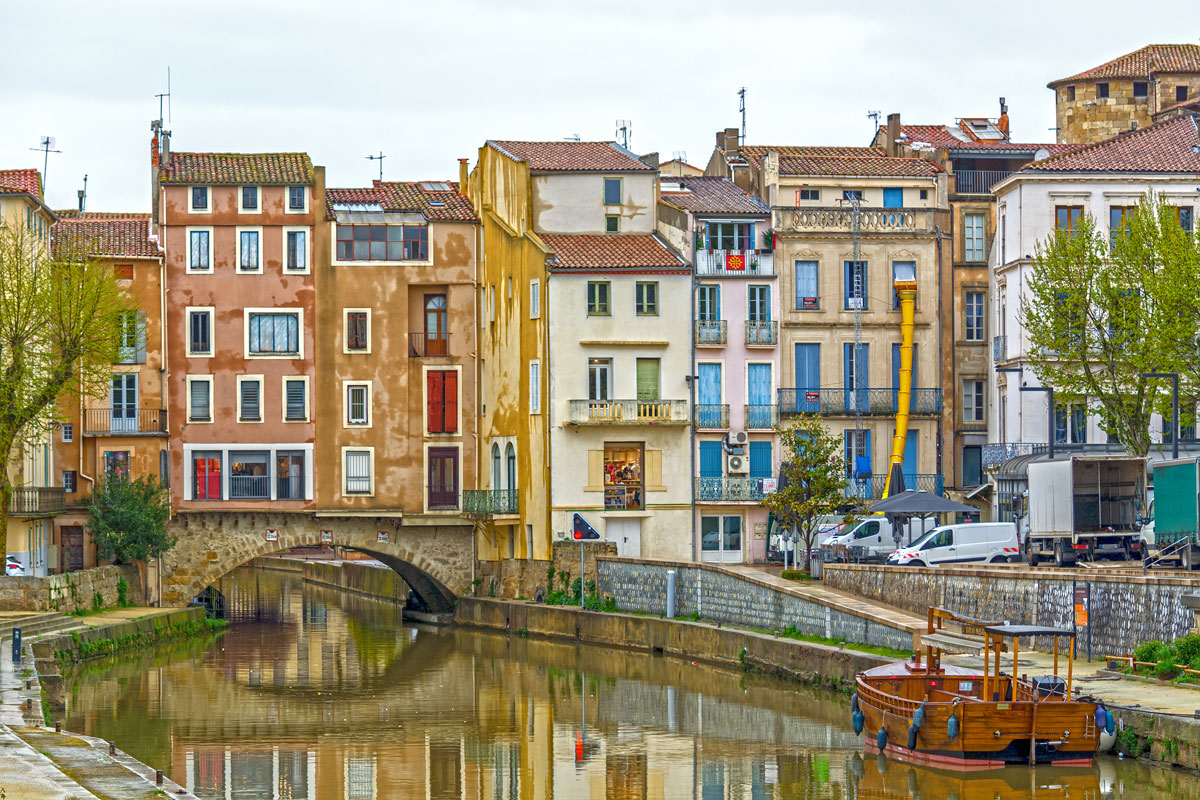
For centuries, the Canal de la Robine has made the city of Narbonne an important centre for trade, including in wine. Adobe Stock/Flaviu Boerescu
In picturesque Narbonne, the 2,000-year-old trading crossroads of the Côte du Midi, history beckons at every turn. Wander down the shady, tree-lined boulevard bordering the central Canal de la Robine, and you’ll eventually come across this sign on an unassuming building. Titled “1907— C’est notre histoire,” it commemorates the founding of La Confédération Générale des Vignerons, an agency that fosters viticultural research, commerce and more, including promotion “in defence of wine.”
Established in response to a massive demonstration by around 600,000 people protesting low prices and over-production, the CVG laid the groundwork for France’s co-operative winery movement, which turned Languedoc into a wine-producing powerhouse. And it’s a potent reminder that Narbonne and Languedoc at large have long been at the very heart of French wine.
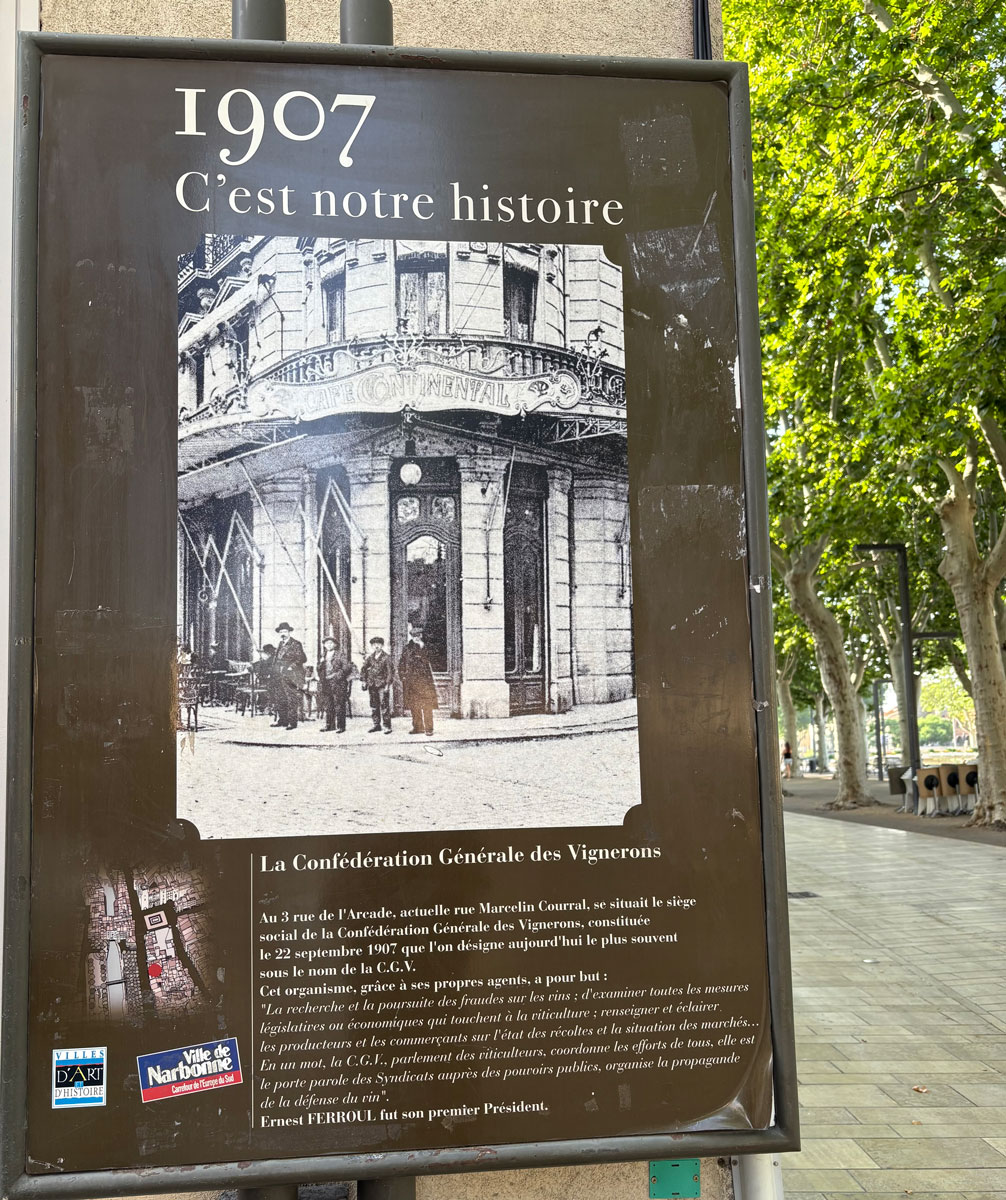
Narbonne’s sign of the times. Tim Pawsey photo
The name “Languedoc” means, quite literally, “the language of Oc,” which refers to l’Occitanie, that vast swath of land across the south of France, stretching from Nice in the east to Perpignan on the Spanish border in the west.
With evidence of grape growing here dating from 125 BC, Languedoc lays claim to being one of the world’s oldest wine-producing regions. It’s believed that vines were first planted here by Phoenicians and Etruscans as early as the 5th century BC.
However, in 96 BC, the region’s viticultural prowess was cut short. Roman emperor Domitian decreed the vines be pulled out entirely, fearing the wines competed too well with the colonizers’ own home producers. Perhaps it should come as no surprise that, even 2,000 years later, the CGV founders felt wine still needed to be “defended.”
Languedoc’s vast expanse, stretching about 200 kilometres across the Mediterranean coast and some 40 kilometres inland, means it can be challenging to get a handle on this region, especially given the array of different wine styles produced from 27 approved varieties (12 red, 15 white) in 23 appellations.
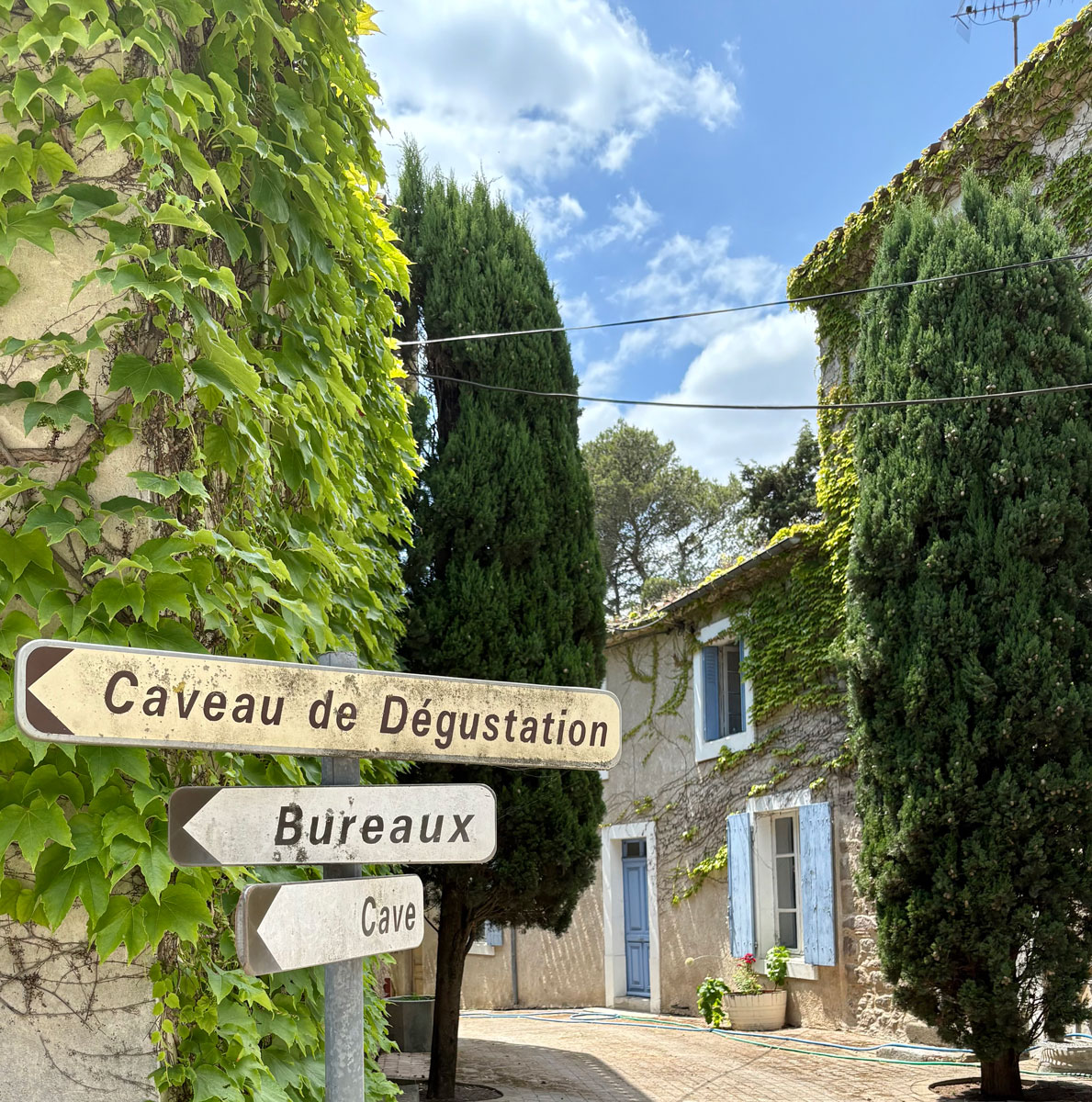
In charming St. Hilaire, all signs point to something delicious to taste. Tim Pawsey photo
AOP Languedoc comprises 10 regional designations spanning 11 sub-regions, five elevated “villages” crus de Languedoc (Boutenac, Faugères, Fitou, La Clape and La Lavinière), four dessert-wine and three sparkling-wine appellations, all encompassing some 3,000 growers. The rewards of such scale are reflected in Languedoc’s remarkable diversity, fuelled by unswerving passion and youthful drive.
Generally speaking, the majority of whites (including dessert wines) come from appellations within coastal proximity, while most red varieties are grown, at elevations up to 400 metres, on the foothills of the Massif Centrale, as well as on hills to the west that create a corridor between the Atlantic and Pacific, essentially a watershed between the two oceans.
The main exception is sparkling wines from Limoux, in the Pyrenees foothills. Here cooler conditions offer an ideal setting for Mauzac, the indigenous grape used to make Blanquette de Limoux, required by AOP regulation to comprise at least 90 per cent of the blend.
This historic sparkling wine was first produced in 1531 by Bénédictine monks at Limoux’s ancient Abbaye de Saint-Hilaire—a good century or more before Brother Dom was (allegedly) “tasting the stars” in Champagne. You can still visit the cellar where Blanquette de Limoux’s (likely unintentional) bottle-fermented arrival happened.

A poster for Blanquette Roi, the original sparkling wine. Tim Pawsey photo
Following the fall of the Roman Empire, the eventual return of viticulture through medieval times came about under the jurisdiction of the Christian church in its various forms—and with it, ultimately, more sophisticated winemaking.
Languedoc’s Middle Ages resurgence laid the foundation for what eventually would come. Sparkling wine is just one among many “firsts” for which Languedoc can claim credit. Others include: moving vineyards from the traditional valley floor to hillsides in the early 18th century; developing phylloxera-resistant grafting in the 1870s; and the staging of France’s first organic wine exhibition, in 1993.
While the 20th century gave birth to industrial viticulture on a massive scale, in the last 40 years the region has effectively reinvented itself, shunning co-op-produced bulk wines to focus instead on terroir and quality. Moreover, as the greater region continues to fine-tune and classify its 37,000 hectares, today’s Languedoc is very much not only about quality, but also sustainability in response to climate change.
While most of the old giant co-ops are now gone, the collaborative spirit still prevails. As for what’s happened to the former co-ops’ monolithic buildings, some are seeing new life, none so creatively as Musée Spiktri Street Art Universe in Ferrals-les-Corbières. The entire premises, having sat empty for 12 years, has been reincarnated as one giant gallery, where every surface, from tanks to ceilings, has been artistically transformed—a true metaphor for Languedoc wine at large.
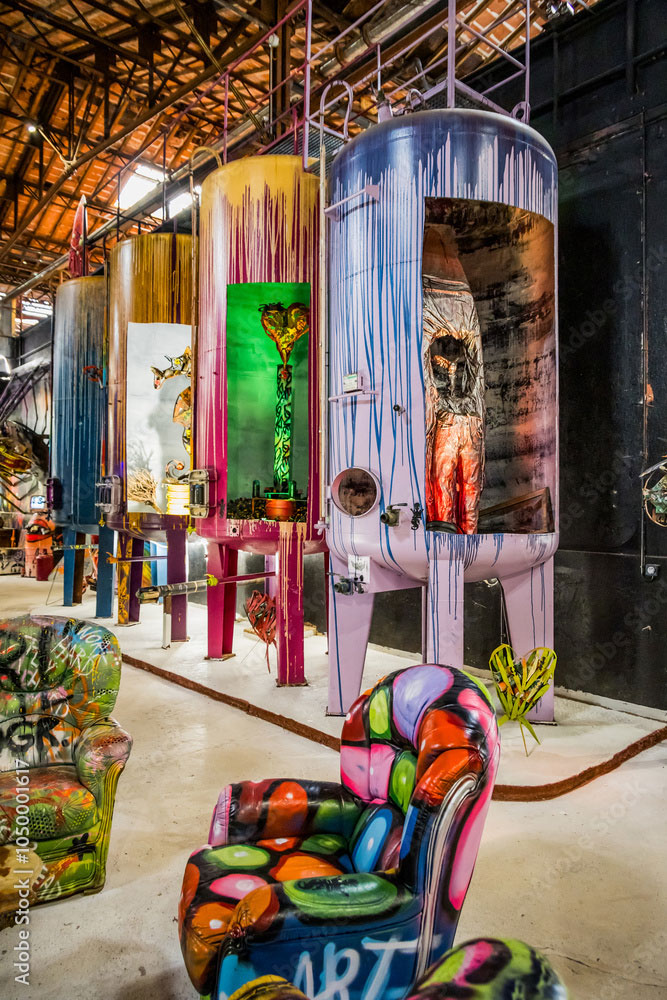
A former wine-co-op facility has been transformed into the Musée Spiktri Street Art Universe. Adobe Stock/Vincent Courceleaud photo
Standing among the vines on the southwestern edge of the Massif Central, in Cabardès, Nicolas de Lorgeril, owner of historic Château de Pennautier, recounts how his family’s Domaine de Garille vineyard enjoys the best of both worlds, as warmer Mediterranean influences combine with Atlantic winds that waft across the eastern Pyrenees. The chateau’s winemaking history flows through 12 generations, since 1620.
Cabardès is the sole Languedoc AOP that blends at least 40 per cent “Atlantic” varieties (Merlot, Cabernet Sauvignon and Cabernet Franc) with a minimum of 40 per cent Mediterranean varieties (such as Syrah and Grenache). Soils are also unique, “a geological mosaic,” says de Lorgeril, as he explains contrasting sandstone, limestone with clay, schist, gneiss and granite elements, with ancient shell deposits, varying by altitude. He also points out specially planted grasses whose roots, once turned over, provide beneficial bacteria and moist organic matter to help maintain the vines during the dry season.
Although 60 per cent of Languedoc wines are made from red varieties, there was a time when the region was known very much known for its whites. They, too, are enjoying a resurgence, with varieties such as Picpoul de Pinet, Chardonnay, Chenin Blanc, Roussanne, Marsanne, Viognier and Grenache Blanc at the fore (along with Mauzac). Used increasingly in blended wines is Rolle (known elsewhere as Vermentino), which performs well under the hotter conditions brought by climate change.
AOP Picpoul de Pinet, one of Languedoc’s longest-produced, most distinctive varieties, makes up the region’s largest white wine growing area. It’s also arguably the most marine influenced, being bordered by the Étang de Thau, a large salt-water lagoon. Interestingly, this variety’s origins may be traced back to the Romans. Its moderate acidity, with citrus, floral and often saline notes, make it an irresistible partner for freshly shucked, lagoon-raised oysters—another much-appreciated specialty of the region.
While it still prevails as the world’s largest single wine-producing area (with vineyards totalling three times those of nearby Bordeaux), increasingly the “new” Languedoc is proving capable of producing wines that compete with the best France has to offer. A fact, no doubt, of which its 1907 vignerons would have been immensely proud.
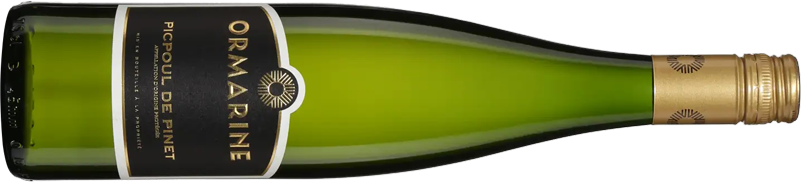
Ormarine Picpoul de Pinet 2024
(AOP Picpoul de Pinet, Languedoc, France, $22) Unoaked; floral, citrus, dry, crisp.

Domaine Ollier Taillefer Grande Reserve 2020
(AOP Faugères, Languedoc, France, $34) Plummy, ripe, roasted coffee, meaty.
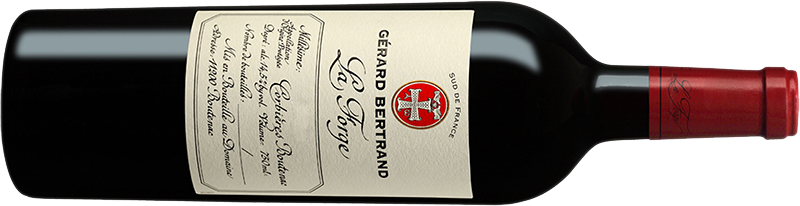
Gérard Bertrand La Forge 2019
(AOP Corbières – Boutenac, Languedoc, France, $88) Garrigue, spice, stony, red berries, herbs.

Tim Pawsey writes and shoots at hiredbelly.com as well as for publications including Quench, TASTE and Montecristo. He’s a frequent wine judge and is a founding member of the B.C. Hospitality Foundation.
Tim Pawsey writes and shoots at hiredbelly.com as well as for publications including Quench, TASTE and Montecristo. He’s a frequent wine judge and is a founding member of the B.C. Hospitality Foundation.
Copyright © 2026 - All Rights Reserved Vitis Magazine